
The Loudest Thing on YouTube Right Now Is Silence.
A woman cracks an egg into a glass bowl. The yolk slides down the side. Steam rises off a kettle. A wooden spoon clicks against a ceramic pot. There is no music. There is no voiceover. There is no face. The video is titled after a Studio Ghibli film, and it has been watched millions of times.
This is what most-watched looks like on YouTube right now. Not a man yelling at the thumbnail. Not a beat dropping at the three-second mark. Not a creator asking you to like and subscribe. Someone, somewhere, cooking quietly in a clean kitchen, while you watch from the other side of the world.
The format has a name. They're called silent vlogs. They are growing faster than almost anything else on the platform. And the reason for that, I think, has nothing to do with food.
Cracking an Egg in Tokyo
The first creator I want to introduce you to is named Choki. She lives in Japan. Her channel has more than a million subscribers and her face has never appeared on it. Her hands have. Her cat sometimes has. The light coming through her window definitely has. But never her face.
Her most popular videos are recreations of meals from Studio Ghibli films - the herring and pumpkin pot pie from Kiki's Delivery Service, the bento box from Spirited Away, the bread Sosuke's mother makes in Ponyo. She prepares them slowly, in a kitchen that always seems just-cleaned, while wearing a beige apron. The only sound is the cooking itself: the knife on the cutting board, the hiss of the pan, the timer when it goes off.

Twenty minutes. No words. A meal from a Ghibli film, made by hands you can see and a person you cannot.
Choki was one of the channels YouTube's own culture team highlighted in 2021 when they tried to explain what was happening in their Japanese and Korean traffic. The team's manager, Makoto Maeoka, called silent vlogs videos that "focus on routine, daily activities such as cooking, cleaning, journaling and sewing in a calm atmosphere accompanied by soothing music or ASMR-like natural sounds." That description was understated, even at the time. The growth was already there. The team just gave it a name.
The Cafe Where Nobody Speaks
The format has a slightly different home in Korea. There, it lives mostly in the cafe. Pour-over coffee, baked goods, a glass of milk for an iced latte being layered with espresso poured slow. The shops these videos are filmed in are real - small independent cafes in Seoul, Busan, Jeju. The barista sets up the camera, makes the drinks, films a customer's hand picking up the cup, and packs up at closing. No interviews. No address drops. No "subscribe so we can keep doing this." Sometimes the cafe is identified by name, sometimes it isn't.
The genre is called the cafe vlog, and according to marketing analysts who track the format, it began rising rapidly at the end of 2019, just before the world shut down. By the time the second lockdown hit, audiences who had no cafes left to sit in were sitting in someone else's, fifteen time zones away, while a stranger they could not see steamed milk for them.
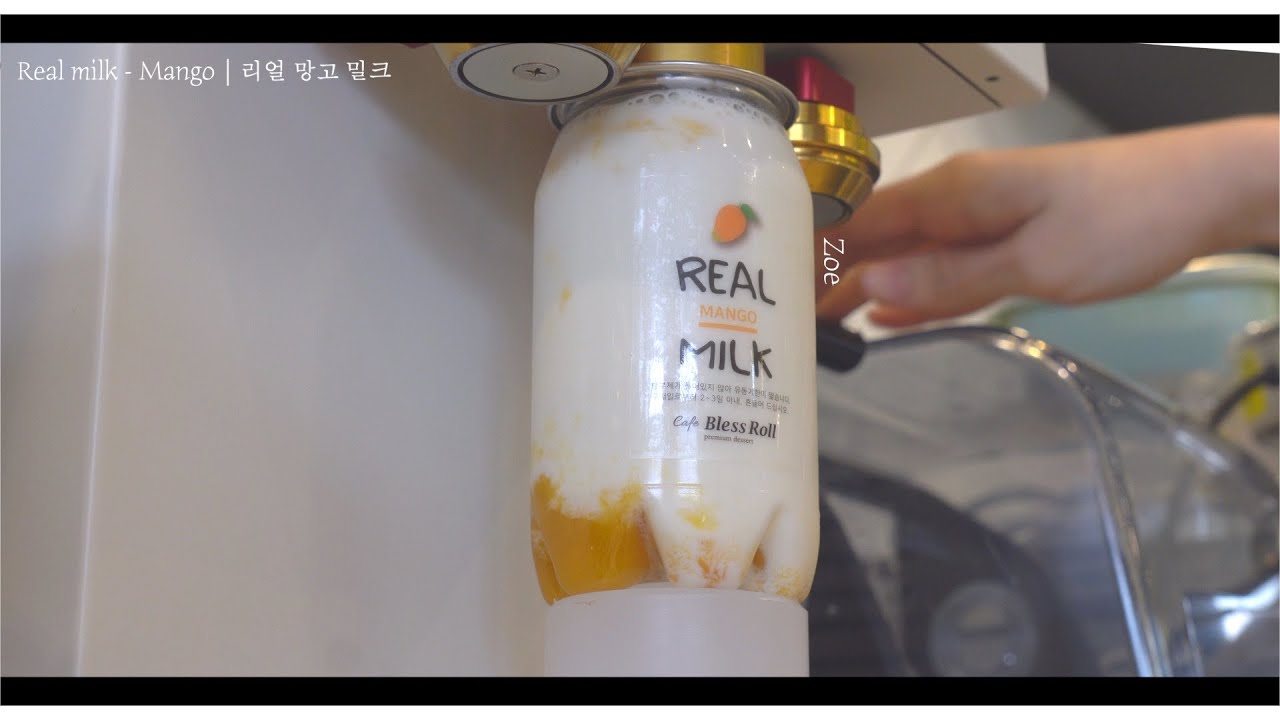
A Korean cafe vlog. The shop is small. The coffee is poured slowly. Nobody speaks. The video has the quiet of a real Saturday morning before anyone else is awake.
Why Nobody Talking Works
Silent vlogs are doing something psychologically that voice-led videos are not, and it took me a while to see what.
The first thing is technical. Engagement rates for silent creators average around 12 percent, while traditional creators land between 4 and 6 percent. The watch-through is dramatically higher. Production cost is around 40 percent lower because there is no script, no on-camera presence, no voice-over edit. The whole format is cheaper to make and stickier to watch. From a platform-economics standpoint that should not be possible. Loud is supposed to win on YouTube. The thumbnail with the screaming face is supposed to win on YouTube.
What's actually happening is more interesting.
When a creator narrates, your brain treats them as a person addressing you. You evaluate, agree, disagree, judge their voice, get distracted by their tone. There is a version of you that has to listen, and then a version of you that has to respond, and that response runs in the background even when you are doing nothing. Talking videos are a low-grade social interaction with someone you don't actually know.
When the narrator disappears, your brain stops being a guest and starts being a witness. Nothing is being explained to you. Nothing is being asked. The room is just open.
Take that voice away and a different mode kicks in. You stop interpreting and start observing. The kettle whistle is just a kettle whistle. The cat in the window is just a cat. There is no message. There is just a room. A 2024 piece on the format described it as "hypnotising audiences" by replacing what is being said with what is being heard - water boiling, fabric folding, dough kneading.
The other thing silent vlogs strip away is performance. A creator who is talking is, by definition, performing. Even the most natural-feeling voice-over has a script behind it, or at least a structure. Silent creators don't have to project a personality. They just have to be in the kitchen. The viewer is freed from being entertained, which is a much heavier obligation than people realise.
The Most-Subscribed Silent Vloggers
The roster has gotten bigger than the original Japanese-Korean wave. A 2026 industry roundup tracked the largest creators in the format - and the names cross continents now.
Liziqi is the outlier - both for her scale and her subject. Her videos are filmed in rural Sichuan, and they show her doing things you didn't think people were still doing in 2026: making soy sauce from scratch over a year-long process, dyeing fabric with persimmon skins, building a swing out of a willow branch. She doesn't speak in any of them. She has 29 million subscribers. The pattern holds at every scale: the smaller cafe vlogger with 800K and the rural farmer with 30M are doing the same thing - removing the voice and letting the work speak.
The Viewer Is Doing the Work
Here's the thing nobody quite says about why this format hits so hard.
In a silent vlog, you are filling in everything. You are imagining the smell of the herring pot pie. You are guessing whether the cafe is warm or chilly today. You are projecting onto the creator a personality they have given you almost nothing to base it on. You don't know if Choki is talkative in real life. You don't know how Zoe sounds. You imagine.
That's not parasocial - the kind of one-sided friendship I wrote about a few weeks ago, where viewers feel they know creators who don't know them. Silent vlogs are gentler than that. They don't ask you to feel like a friend. They give you something closer to companionship - someone in another room, working, who has not invited you in but has not closed the door either.
I wrote earlier this month about why cooking videos work as meditation. Silent vlogs take that one step further. They strip out the last bit of friction the cooking host introduces - the explanation, the personality, the joke about how the recipe came from grandma. What's left is the act itself. Hands, ingredients, time.
The most generous thing a creator can do is leave space for you. Silent vlogs are the format taken to its conclusion: the creator removes themselves so completely that the room is yours to inhabit.
What the Silence Is Asking of You
I find myself watching these videos at the strangest times. Three p.m. on a Tuesday. Right after a stressful phone call. The seventeen minutes after closing my laptop on a Friday and not yet wanting to do anything else. They function like a glass of water - small, free, unremarkable, exactly what was needed.
And the thing they're asking of me is genuinely just to be there. No clicks. No comments necessary. No need to subscribe. The cafe vlogger is making the latte whether I'm watching or not. The Ghibli-cooking creator is finishing the pot pie either way. They will be there tomorrow. Or they won't. Either way the contract is the lightest one on YouTube.
This morning, my colleague Ethan wrote about YouTube's new Reimagine tool and the way it opts every creator into AI remixing by default. That's the loud version of the platform - the version where everything is being captured, transformed, fed forward. Silent vlogs are the other version. The version where someone is making tea and not asking anything else of the world. Both are real. Both are growing. They feel like very different futures.
The most-watched format of the year wasn't built by anyone screaming. It was built by people pouring water into kettles and letting you decide whether to listen.
I think about that when the algorithm starts feeling too loud. Then I open the cafe vlog. Then I make a cup of something for myself. Then I sit down. Nobody is talking. That's the whole point.
Join the conversation