
They Feel Like a Friend. They Don't Know You Exist.

You're scrolling through your subscription feed on a Tuesday evening. Nothing special about the day. Then a title stops you cold.
"So, I've got cancer."
The channel: vlogbrothers. The face: Hank Green - someone you've watched for years, sometimes every week, sometimes every few months when you needed something warm and smart and real. You hit play. Thirteen minutes later, you're crying for a man you've never met. A man who doesn't know your name exists.
And something about that feels strange. But also - not wrong.

What "Parasocial" Actually Means
The word for this kind of bond is "parasocial." It describes a relationship that flows in one direction: you know them, they don't know you. The term was coined by sociologists in 1956 to describe how people felt about television personalities. But it has taken on entirely new texture in the YouTube age - where creators look directly into a camera, share their kitchens and anxieties and 2 a.m. thoughts, respond to comments by name, and show up in your feed with remarkable regularity across years of your life.
The word can sound clinical. It implies something lesser - a simulation of connection, a substitute for the real thing. But the feelings aren't simulated. And the latest research suggests they're doing more for us than we might want to admit.
"Parasocial relationships are an important part of our psychological toolbox when it comes to feeling like we have people out there who are able to validate and support us in times of need - even if we can never actually meet with them in reality." Veronica Lamarche, University of Essex - Scientific Reports, 2024
Lamarche's team at the University of Essex published a study in Scientific Reports with 960 participants aged 16 to 78. The finding was counterintuitive: parasocial bonds with YouTubers fulfill emotional needs more effectively than casual in-person friendships. Not deep friendships - close relationships still rank highest. But better than the coworker you eat lunch with. Better than the neighbor you see every morning. Better than most of the peripheral people we call "friends" in the loose modern sense.
And Lamarche added something that mattered: "This isn't a last resort for very young or lonely people - people of all ages reported feeling like they had a strong connection to at least one online personality they've never met."
Why YouTube, Specifically
What makes YouTube different from liking a pop star, or feeling invested in a fictional character? The format itself.
When a creator sits in front of a camera in their bedroom - speaking directly to the lens, without a script, lit by the same imperfect lamp you'd use - they are performing something specific: intimacy at scale. The "hey guys" opener. The visible coffee mug. The mid-sentence laugh. None of it is calculated to feel real. It just is real, because the format demands it.
And then there's the most underestimated ingredient: time. You don't watch a YouTube creator once. You watch them across years. You see them move apartments, announce pregnancies, mourn losses, change their minds about things they were once certain about. You build a story of them in your mind - not a character, a person. An evolving one. The parasocial bond on YouTube isn't built in a single video. It accumulates, quietly, across hundreds of hours you don't remember choosing to spend.
This is why Hank Green's cancer video hit the way it did. Not because it was dramatic. Because fifteen years of watching someone think on camera - and then, suddenly: this.
The View From the Other Side
Very few creators talk honestly about what it's like to be the other half of this equation. To be the one who doesn't know you exist, but who still somehow shapes your week.
Hank Green did, in a 2018 video called "My Giant Robot Suit" - one of the clearest things any creator has ever said about the weight of a parasocial persona. He described the strange experience of being projected upon: the audience builds a version of you that you then feel responsible for. The suit. The character they need you to be.
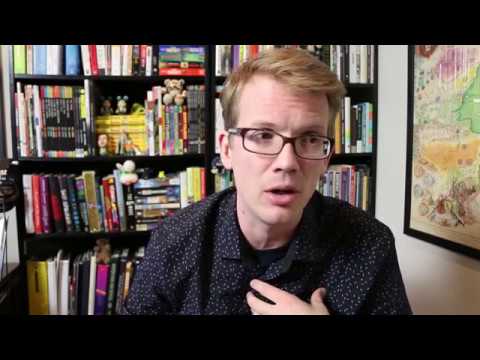
It's required viewing for anyone who has ever felt close to a creator - because it reframes the dynamic from the side you never see. Creators are building a relationship whether they intend to or not. The question they carry is: how do you honor it without being consumed by it?
Proximity Is Not Permission
But here is where it gets complicated. Care can curdle into something else. Familiarity, at scale, can start to feel like entitlement.
Julia Serano explored this in a 2024 video essay on celebrity and parasocial relationships, using Chappell Roan's public reckoning with her fanbase as a case study. Serano named what she calls "phantom invitations" - the way shared cultural intimacy can make an audience feel they have a claim on someone's responses, their time, their private life. The creator chose to share. The audience interpreted that sharing as an open door. It isn't.
YouTube is no different. The creators who share the most - who invite you furthest in - also face the greatest risk from audiences who mistake proximity for permission. The comment that becomes a demand. The personal video that becomes a reason to weigh in on personal decisions. The creator who says "I'm taking a break" and receives, in return, a chorus of voices asking why they owe that choice an explanation.
Creators are building a relationship whether they intend to or not. The question they carry is how to honor it without being consumed by it.
Knowing about parasocial bonds doesn't dissolve them. But it does give you the language to hold them with more care.
And Then There's the Algorithm
This morning, Ethan Cross wrote about something that sits right alongside this: the slow erosion of the YouTube subscription feed - the one page on the platform designed to show you exactly the creators you chose. Now it's being layered with "Most Relevant" blocks, curated by an algorithm optimizing for something other than your relationship with the people you subscribe to.
Which makes the parasocial bond feel even more precarious. Not just one-sided emotionally - increasingly mediated by a platform that wants to insert itself between you and the creator. The connection you built over years. The infrastructure quietly being rearranged around it.
You still feel close to them. The algorithm just gets a vote now in how often you see them.
What to Do with Feelings This Real
So what do you do, knowing you care deeply about someone who doesn't know your name?
Own it, first. There is nothing small about caring. Research suggests people who form strong parasocial bonds are often the same people who form strong in-person bonds - they have more capacity for connection, not less. These feelings aren't a symptom of loneliness. They're evidence of the same thing that makes you a good friend to the people who do know you.
Hold them lightly, second. Notice when following becomes fixating. Notice when the algorithm replaces your actual chosen subscription feed with an optimized version of what it thinks you want. The parasocial relationship worth protecting is the one you built deliberately - not the one the platform constructed to maximize your session time.
And save what matters. The videos that shifted something in how you think. The essays that arrived at exactly the right week. The vlogs that made Tuesday feel less like Tuesday. These are worth keeping - not just liked and buried, but saved somewhere with a trace of why they found you when they did. The archive of a creator you've grown alongside is a record of who you were becoming.
Hank Green is in remission. He still makes videos. Two or three per week, the same format, the same direct address to camera - the way he's always spoken to people he's never met but somehow knows.
You might still cry someday at a title in your feed.
That's not a character flaw. That's just the cost of paying attention.
Join the conversation