
The Dashboard Knows the Numbers. The Comments Know the Names.

It's just past nine in the evening and somewhere a creator is sitting in front of YouTube Studio. The dashboard has a new feature this week. It is called Ask Studio, and it will summarize her week for her in plain English, the way an attentive intern might if she paid one. Views down four percent. Average view duration up by eleven seconds. Retention strong in the middle, soft at the end. The AI is honest. It is also, somehow, completely empty.
She closes the summary. She opens the comments tab on her last video instead. The first one is from a teacher who showed the clip to her ninth-grade class. The second one is from a kid who says he hasn't watched anything else this week. The third one is from someone whose mother just died. The dashboard has nothing to say about any of these. The dashboard cannot see them. Not because Studio is broken, but because what they came in carrying is not a metric.
Ethan wrote about Ask Studio this morning - the question of what an AI summarizing your week will and will not be able to tell you. I want to write the other half of that question tonight. There is a kind of audience information that the dashboard has never been able to read, even when humans built it, and the new AI cannot read either. It is the comment section. And in three very different rooms, it is the only place in the whole product where the audience tells you what was actually happening on their end.
I scroll, and the comments are dated this week. Last week. Last month. Came back here on a hard night. Three years today. Technoblade never dies. They are not from the day the video went up. They are from a Tuesday in 2026, written by people who never met him, on a video that has not had a new upload above it in almost four years. The channel has been quiet since the day his father read the letter. The comment section has not been quiet for a single hour.
What the AI Gets Right (And What It Can't Hold)
The dashboard is good at the things that have a number attached. Studio has spent ten years getting better at this, and the new conversational layer makes those numbers easier to ask about, not different. Where did people drop off. What thumbnail beats which one. How many countries you reached this week. These are real, and a creator whose entire job is the upload schedule needs to see them.
But there is a layer underneath the metric that the dashboard has never touched. The reason a stranger pressed play. The thing they were carrying when they did. The unsaid sentence between I was looking for noise and I stayed all night. A retention curve cannot tell you that. A view-velocity score cannot. A plain-English AI summary - "Tuesday was your best day; consider posting on Tuesdays" - definitely cannot. The information is real, and creators read it constantly, but it lives in a tab the algorithm has never figured out how to summarize.
I want to walk through three of those tabs tonight. Three different audiences. Three different reasons people typed. One thing in common: nothing about what's in them shows up on the dashboard.
One. The Comment Section That Is a Support Group
Jessica McCabe started How to ADHD in January 2016 with a phone camera, a kitchen counter, and a TEDx talk that had not happened yet. She is now nine years and over a million subscribers in. Her TEDx talk has crossed six million views. The channel has a book deal with Random House. The numbers are public.
What the numbers cannot tell you is what happens in her comment sections. People walk in saying things they have not said anywhere else. You described me before my doctor did. I'm forty-three and I was just diagnosed last month. I cried during the second half of this. A 2025 study in Health Promotion International, looking at YouTubers who make mental-health content, found that the creator's own emotional self-disclosure - the kind Jessica routinely does on camera - "fosters authenticity, strengthens the parasocial relationship, and positions the YouTubers as both peer supporters and experiential experts." The viewers, in turn, treat the comment thread as something between a chat room and a waiting room. They check on each other. They pin each other. The comment section is a support group with no facilitator and no closing time.

The title is the prompt. The comment section is a thousand people answering it.
A dashboard summarizing this video would tell Jessica that her audience leans toward US viewers between twenty-five and forty-four, that retention dropped slightly at the four-minute mark, that the click-through was decent. The dashboard cannot tell her that someone wrote, this week, that they had finally booked the appointment after four years of trying. That fact is, for a creator, the part of the job that means something. The metric and the meaning live in different rooms inside the same product.
Two. The Comment Section That Is a 3 a.m. Room
The second tab is harder to find on a Tuesday morning, because most of the people who use it are awake at hours when most analysts are not. It is the comment section underneath sleep-music streams, and it is one of the strangest, most consistent emotional spaces on the internet.
In February 2024, sociologists pulled four hundred twenty thousand comments from the top thirty highest-traffic YouTube sleep-music videos. The paper, published this year in Frontiers in Sociology, is called "Why are we awake? Algorithmic serendipity and the sociology of sleeplessness." What they found was a paradox the dashboard could never have surfaced. The viewers had come for sleep. They were instead leaving comments. Five emotional categories accounted for almost the whole corpus: gratitude (25.15 percent), therapeutic effects (19.54), descriptions of the sound itself (19.29), positive reactions (18.93), and love (17.09). One commenter wrote, and the researchers preserved it: "It's 6:17 a.m. here. I haven't slept because the comment section here is more welcoming than home."
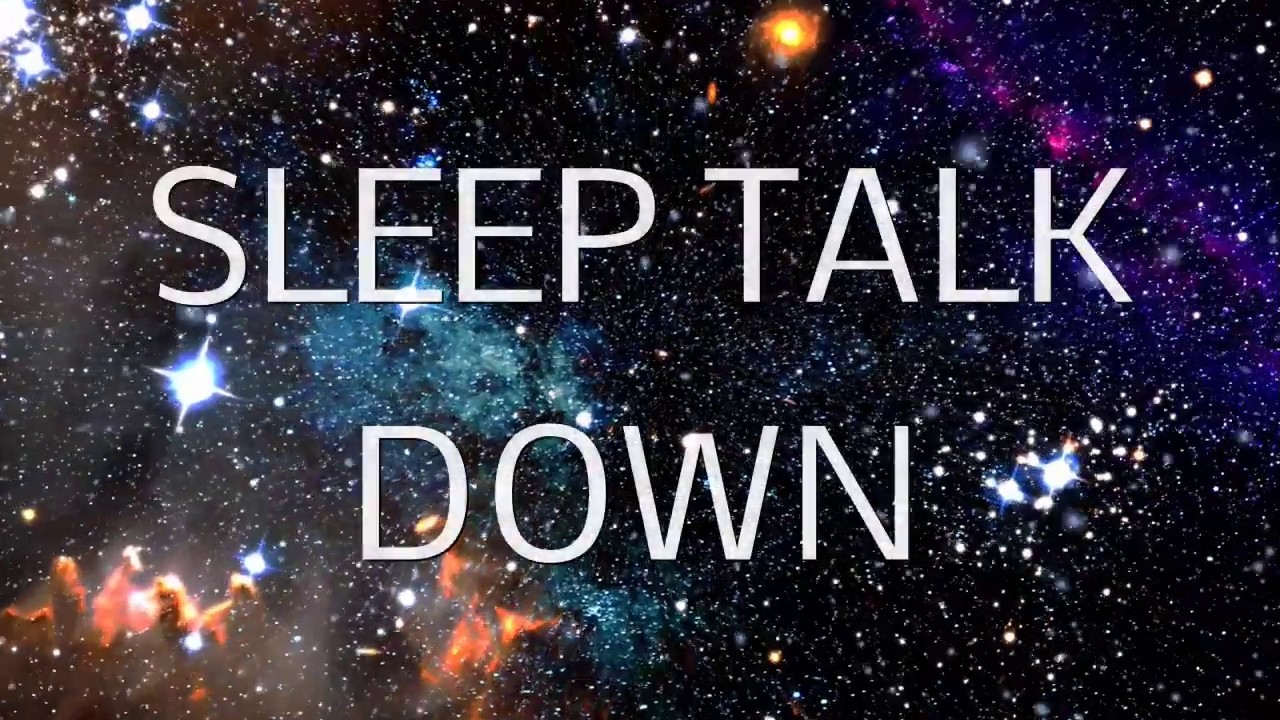
Reviewed by Tom's Guide and Yahoo Tech as one of YouTube's most-watched sleep meditations.
Jason Stephenson's "Sleep Talk Down" guided meditation, twenty-three million views and counting, is the kind of video the study is talking about. If you scroll past the comments thanking him for the voice work, you will find people writing very late at night about losing parents, losing children, losing jobs they had held for three decades. They are not asking for anything. They are not subscribing harder. They are, almost without exception, telling a stranger what they came into the room carrying. A dashboard can tell Jason that his average view duration is up. It cannot tell him that someone wrote tonight, beneath a four-year-old upload, "Lost my mom in March. This is the only way I sleep now." The first sentence is a metric. The second is a person. The dashboard sees the first one. The thread sees the second.
It's 6:17 a.m. here. I haven't slept because the comment section here is more welcoming than home. - A commenter under a YouTube sleep-music video, preserved verbatim in Frontiers in Sociology (2025)
Three. The Comment Section That Has Been Open for Sixty Years
The third tab does not belong to a single creator at all. It belongs to a song.
In 2014, the writer Mark Slutsky started a project called Sad YouTube, which collected the most quietly devastating comments left under classic music videos. The premise was simple: an old song catches you walking past it on the algorithm, and something flips. You are sixty years old in your kitchen, and "Walk Away Renee" or "A Whiter Shade of Pale" or "A Change Is Gonna Come" has just put you back in 1965 with someone you have not seen since. The comment is what comes out when there is no one in the kitchen to tell.
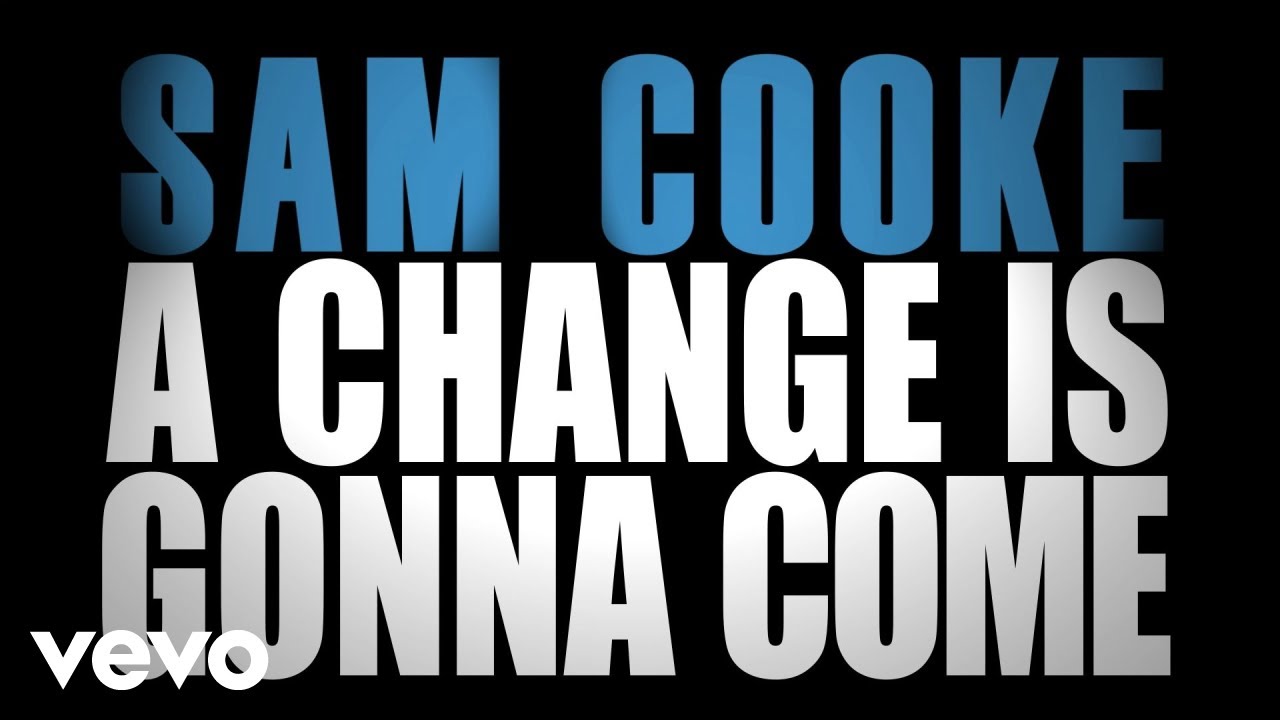
Released after his death in December 1964. The comment section underneath has been open for sixty years.
Sam Cooke recorded "A Change Is Gonna Come" in late 1963. He died in December of 1964, and the song was released eleven days later as a single. Sixty years on, the comments under it are full of dates: the year someone first heard it, the year they buried a parent who used to play it, the year they realized what it had been about all along. The Dispatch's Clare Coffey called this kind of thread "the last good place on the internet." Coffey's argument is not about nostalgia. It is structural: the comment section under an old song works because the song is the shared object, the commenters are not trying to win, the thread is not trying to convert. People show up. People share. People leave.
A YouTube dashboard, if you could even get one for a song from 1964, would be useless here. The audience demographic skews everywhere. The retention curve says nothing. The traffic source is "the algorithm walked past me on a Tuesday and I cried." There is no metric for that. There is also no real ambiguity about whether it happened. You can read it in the comments.
What the Dashboard Sees, and What the Comments Hold
Pull these three rooms together and what you have is not three separate phenomena. It is one phenomenon viewed from three angles. Some videos host support groups. Some videos host 3 a.m. confessionals. Some videos host sixty-year-old memories nobody invited. None of these rooms show up on the dashboard, because the dashboard is built to count things, and the rooms are built to hold things.
What the New AI Will Still Not Say
Ask Studio, the new conversational layer Ethan wrote about this morning, is a real and useful tool. It will tell you when you posted, what landed, where retention slipped. It might even suggest a thumbnail crop. What it will not say, because it cannot read it, is the line under your video where someone wrote, on a Tuesday, "I have never told anyone this before." That sentence is not in the chart. That sentence is in the room.
The interesting question is whether creators read both. The honest ones, in my experience, read the comments first. They pull up the dashboard later, mostly to make sure they have not accidentally hurt anyone with the algorithm. They go to the comments because that is where the audience is actually visible. Not as a number. As a person who came in carrying something. As a teacher who showed it in fourth period. As a kid who watched it three times because of what it explained. As a forty-three-year-old who finally booked the appointment.
The dashboard knows the numbers. The comments know the names. They are not the same kind of knowing, and a creator who only reads one of them is missing the half of the audience that arrived with a sentence to put down.
It is almost ten now. The Studio AI has finished summarizing the week. Somewhere, someone is in the comments instead, scrolling slowly, reading the part of the audience that has never appeared in a chart. The light, in that tab, has not gone out for years.
What the Room Knows About the Person
Ethan wrote this morning about the gap between the headline number of the creator economy and what the median creator actually earns - thirty-seven billion in industry spend, three thousand dollars in median annual income. The system is built so that almost everyone who tries this stops. Some stop because they ran out of money. Some stop because they ran out of time. Some stop because the body said no, the way Technoblade's body did at twenty-three. The economic story Ethan is telling and the rooms I'm sitting in tonight are the same story from two angles. Most channels go quiet. The interesting question is what stays.
What stays, almost always, is a comment section. Not the analytics. Not the AdSense. Not even the videos in any active sense - they are not being watched the way new videos are watched, in the morning, with a coffee, during a commute. They are being visited. Like graves, sometimes. Like a porch, sometimes. Like the booth at a diner where you used to meet a friend who moved away.
The thing that surprises me most, scrolling these rooms late at night, is how kind they are. Not in a sentimental way. In a structural way. The internet's default register is contempt. The comment section under a video that has not been updated in years is one of the only places online where contempt is just absent. Nobody is performing for the algorithm. Nobody is dunking. The thread has nothing to gain. The people in it are writing the way you write in a guestbook, knowing that the person it's for is not going to read it, and writing it anyway because the writing is the point.
Technoblade's father pinned his comment under so long nerds in 2022. It is still pinned. Christina Grimmie's family pinned theirs under the in-memoriam upload in 2016. Still pinned. Sam O'Nella has not pinned anything. He came back. The room kept his seat warm.
I keep thinking about the people who write into these rooms tonight. Some of them were children when they first watched the video. Some of them were not yet born. They are talking to a person they know was never going to write back, and they are talking to the strangers next to them who showed up for the same reason. The video is the room. The room is open. The light, somehow, is still on.
Join the conversation