
Getting Your First 100 YouTube Subscribers: Honest Expectations

The average new YouTube channel takes somewhere between three and eight months to reach 100 subscribers organically. Not 100,000. Not 10,000. One hundred. That number probably lands harder than it should, but it's where most journeys actually start - and where most quietly end.

The first 100 is built one video at a time, usually in obscurity. That's not a flaw in the system.
I want to be honest with you here, because most content about "getting to 100 subscribers" is either vague inspiration or a sales funnel for a course. What follows is neither. It's what I've seen actually work - and what definitely doesn't - for channels that started from zero.
Why 100 Feels Like the Hardest Number
Psychologically, 100 is brutal because it's the first milestone and you have no momentum yet. Every view matters disproportionately. Every subscriber you lose after gaining one stings in a way that losing one from a base of 50,000 never would. The percentage swings are violent. You upload a video and three people watch it and two of them are you in different browser tabs.
The math is also working against you early. YouTube's recommendation engine won't promote videos that haven't demonstrated audience retention. With no subscribers to seed initial watch time, your videos don't get recommended, which means you don't get watch time, which means no recommendations. It's a closed loop that you have to crack from the outside.
Watch Time Beats View Count. Every Time.
This is the counterintuitive thing that trips up most new creators. You spend your first weeks refreshing the analytics dashboard, watching view counts. Views feel like progress. They're not, at this stage. They're noise.
What YouTube's early-stage algorithm actually cares about is audience retention - the percentage of each video people actually watch. A video that gets 20 views but holds 90% average view duration is a better signal to the system than a video that gets 200 views with 20% retention. The second video tells YouTube: people clicked and immediately left. The first tells it: the people who found this wanted it.
YouTube doesn't care that 200 people clicked your thumbnail. It cares that 20 people watched to the end. Optimize for the second number first.
Practically, this means your job with early videos isn't to go wide. It's to make something so focused on a specific viewer that the viewers who do find it stay. That's how you build the data YouTube needs to start helping you.
What Actually Moves the Number
Let me be direct about a few things that work, because "post consistently and be authentic" is advice that's both correct and useless.
Tell real people about your channel. Direct outreach is not cheating. Asking your friends, family, former colleagues, or Twitter followers to subscribe is legitimate at this stage. You're not buying behavior. You're doing what every creator does before they have an audience - activating the social capital they already have. The first 20-30 subscribers almost always come from people who know you. That's normal.
Reply to every comment. Every single one, for as long as you humanly can. This does two things: it signals to YouTube that your content generates engagement (which it weights), and it makes early viewers feel seen - which converts casual watchers into the kind of subscribers who actually come back.
Make a few "search-bait" videos. These are videos built around specific queries people actually type into YouTube. Not "how to be productive" - too broad. Something like "how to organize Notion for freelancers in 2026" - specific enough to rank, broad enough to matter. VidIQ and TubeBuddy both have free keyword tools that show you search volume. Use them.
As you study your niche, you'll also want to save competitor channels' best-performing videos as reference - their thumbnail style, hook structure, what they're not covering. YouTube Bookmark Pro's Library (full disclosure: this site) turns those saves into an organized reference database with notes attached to each video. More practical than a browser bookmarks folder when you actually need to find something three weeks later.
Stay on topic. YouTube needs to understand your channel before it can recommend it. A channel with five videos about personal finance and two about gaming confuses the system. Pick a lane and stay in it for at least your first 10-15 videos. You can expand later once YouTube has you categorized.
Post schedule matters less than you think. I know you've read that consistency is everything. It is - but "consistent" at this stage means "regular enough that your channel doesn't look abandoned." One video every two weeks that's genuinely useful beats three videos a week that feel rushed. Quality is the retention driver. Frequency just gives YouTube more data to work with.
What Definitely Doesn't Work
Paid subscribers are fake signal. YouTube's system detects unnatural subscription patterns and suppresses channels that show them. You spend money, your numbers go up, your reach goes down. It's the worst trade in creator tools.
Sub-for-sub communities have the same problem in a slower, human way. You end up with a subscriber list full of people who don't care about your content. Your watch time drops. Your click-through rate drops. YouTube reads this as evidence that your channel isn't worth showing to anyone else.
Gaming watch time - looping videos, watch-time exchanges - is detectable and can result in channel termination. It's not worth it. The first 100 is a grind, but it's a legitimate grind that builds real infrastructure.
The Actual Point of the First 100

The creator who treats video 5 like it has 100,000 viewers is building the habit that eventually reaches that number.
Here's the thing I keep coming back to. The creator who treats video 5 like it already has 100,000 viewers - who writes the script carefully, picks the thumbnail thoughtfully, answers every comment - that creator will have a real audience eventually. The creator who half-heartedly uploads and waits for numbers to justify effort never gets there.
The first 100 subscribers isn't about the number. It's about proving to yourself that you can build the machine - and then actually building it.
This is also worth saying: the frustration you're feeling right now, if you're in those early months, is completely rational. You're putting work into something that isn't giving much back yet. That's not a sign you're doing it wrong. It's just what the front-loading looks like from inside it. Once the 10th consistent video goes up, YouTube starts connecting dots. The recommendation loops start forming. It gets easier to feel the signal.
Maya Lane wrote well about why those early subscribers feel different - the parasocial weight they carry, and why a creator's first 100 feels more personal than their next 100,000. She's right. They do. That's not a bug. Those early subscribers are seeing the channel before the algorithm is, which means they found you on purpose. That's worth something.
Build the machine. Make the next video. Reply to the comments. The 100 will come.
Further viewing
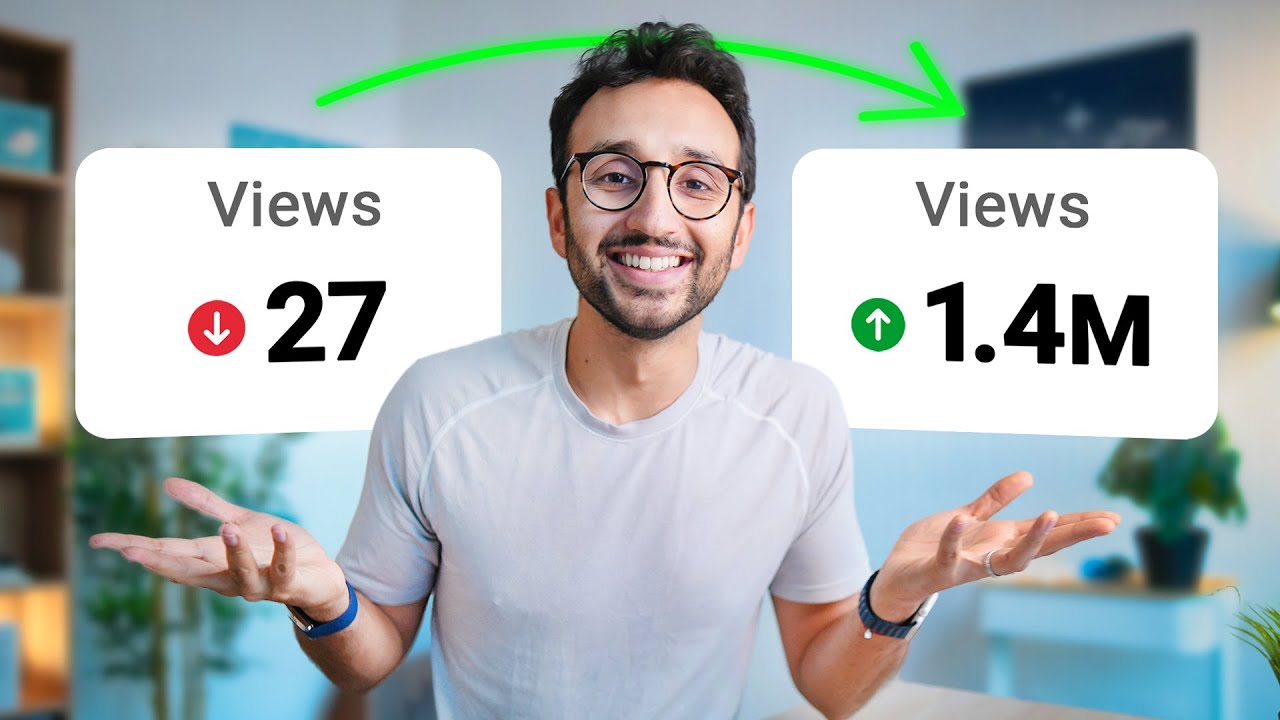
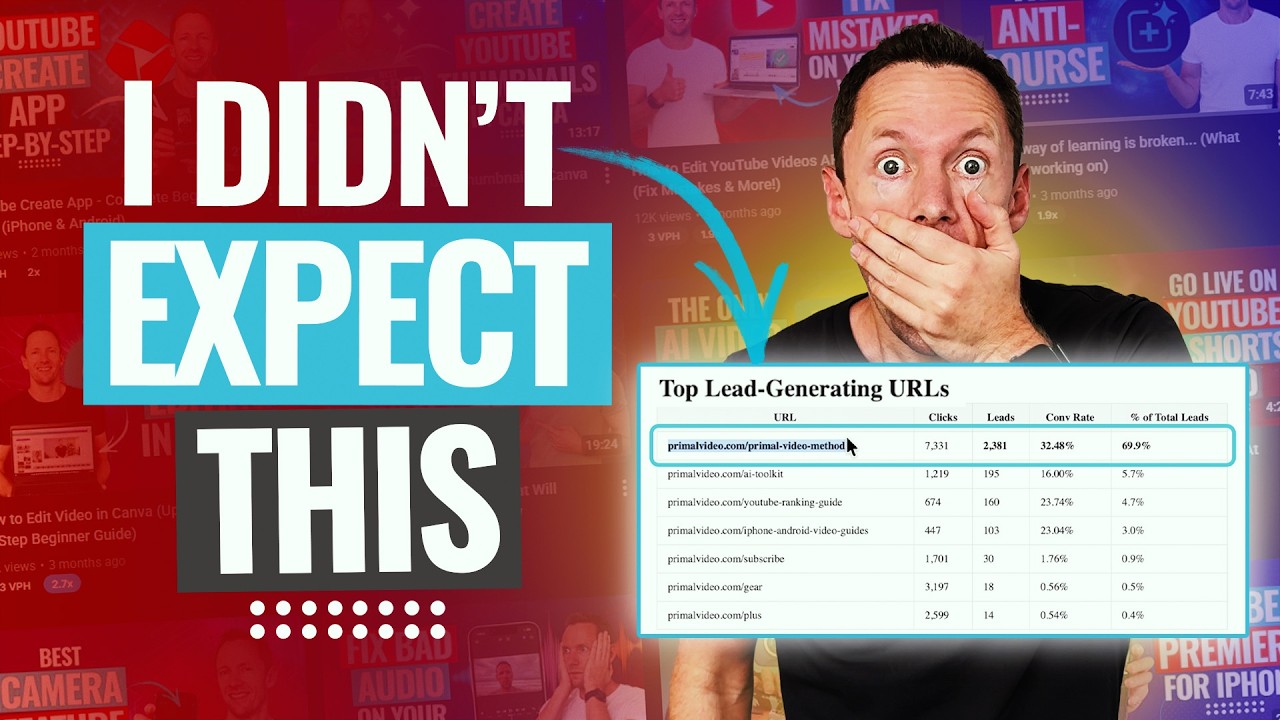
Two different perspectives on early channel growth - one retrospective from a 5M+ subscriber creator, one data-driven experiment from Primal Video.
Join the conversation