
The Tab You Won't Close Is the Last Trace of Who You Were on Tuesday.

It is a Tuesday afternoon in late spring. You are not the version of yourself you usually are at three o'clock. You have just read something that opened a door, and on the other side of the door was a man named Robert Sapolsky giving the first lecture of a Stanford undergraduate course on human behavioral biology. You opened the tab. You watched the first ninety seconds. Your phone buzzed. A meeting moved. A child called out from the other room. The tab is still open. It is now eleven days later. You have not closed it.
This morning Ethan wrote about the forty-seven open tabs. He is right that a tab is a decision you have not made yet. He is right that the tab manager is a way of converting acute tab-hoarding into chronic, deferred tab-hoarding. He is right about the cognitive tax, the loss aversion, the twenty-three minutes of refocus cost Gloria Mark's lab measured at UC Irvine. He is right that, by every measurable metric, you should close them.
I want to write the column about the unmeasurable thing.
The tabs are not just decisions you have not made. They are pieces of evidence. Each tab is a tiny photograph of who you were when you opened it. The Sapolsky lecture is a snapshot of the version of you who, on a Tuesday in May, briefly believed she could be the kind of person who watches a Stanford course. The yoga video is a snapshot of the version of you who, on a Sunday night, decided this Monday would be the start. The TED talk is a snapshot of the version of you who, after a friend forwarded the link with the message this made me think of you, decided that this would be the version of yourself who returned the gesture.
You cannot close the tab because closing the tab means agreeing that the person who opened it was wrong about herself.
The Tab You Open When You Want to Be the Smart Version of Yourself
The first lecture of Robert Sapolsky's Human Behavioral Biology course was uploaded to the Stanford channel on YouTube in March of 2010. It is one hour and fifty-seven minutes long. There are twenty-five lectures in the series. The full course runs more than fifty hours. As a free Stanford bio course taught by one of the most engaging lecturers of his generation, it is a very specific kind of internet artifact: the kind that gets saved by people who have never taken a Stanford course in their life and who are not, on the day they save it, planning to take fifty hours out of their evenings to do so. They save it for the version of themselves who will.
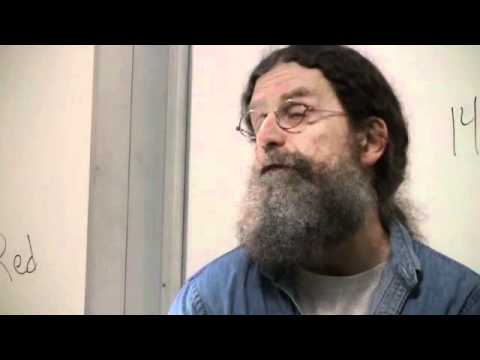
Lecture one of twenty-five. Free. Permanent. Sitting in tabs across the world for fifteen years, mostly unwatched, mostly not closed.
This is the academic tab. The lecture you opened on a Tuesday afternoon when you read a sentence in an article that referenced a study about stress, and you wanted, just briefly, to be the version of yourself who actually understands the underlying biology rather than the version who clicks an article. You opened it with the firm intention of returning to it on a quiet Saturday morning. The Saturday came. The Saturday went. There has been no quiet Saturday since the one in question. The tab remains.
If you tracked, honestly, how often the academic tab actually gets watched, the number would horrify the version of you who opened it. Carnegie Mellon's 2021 study found that thirty percent of participants self-identified as having a tab hoarding problem and that fifty-five percent agreed they feel they cannot let go of their tabs. The qualitative interviews are the part of the paper that lingers. One participant, asked why she could not close a tab she had not opened in months, said: It's the fear of missing something important or something that will lead to enlightenment, to more knowledge, or something that will help you get a job.
Listen to that sentence. It is not the language of an open task. It is the language of an open identity.
The Tab You Open When You Want Tomorrow to Be Different
The second tab is gentler. It is, more often than not, a yoga video. Or a beginners' guitar lesson. Or the first day of a thirty-day Spanish course. Or a five-minute morning routine. The most-watched of all of them, the patron saint of tomorrow I will become someone else, is a 2015 video by an Austin yoga instructor named Adriene Mishler. The video is twenty-two minutes long. It is called Day 1 - Ease Into It. The opening line is the lowest possible bar to get over. Hi everyone, welcome. We're going to ease in. So if you ate too much breakfast, that is okay.
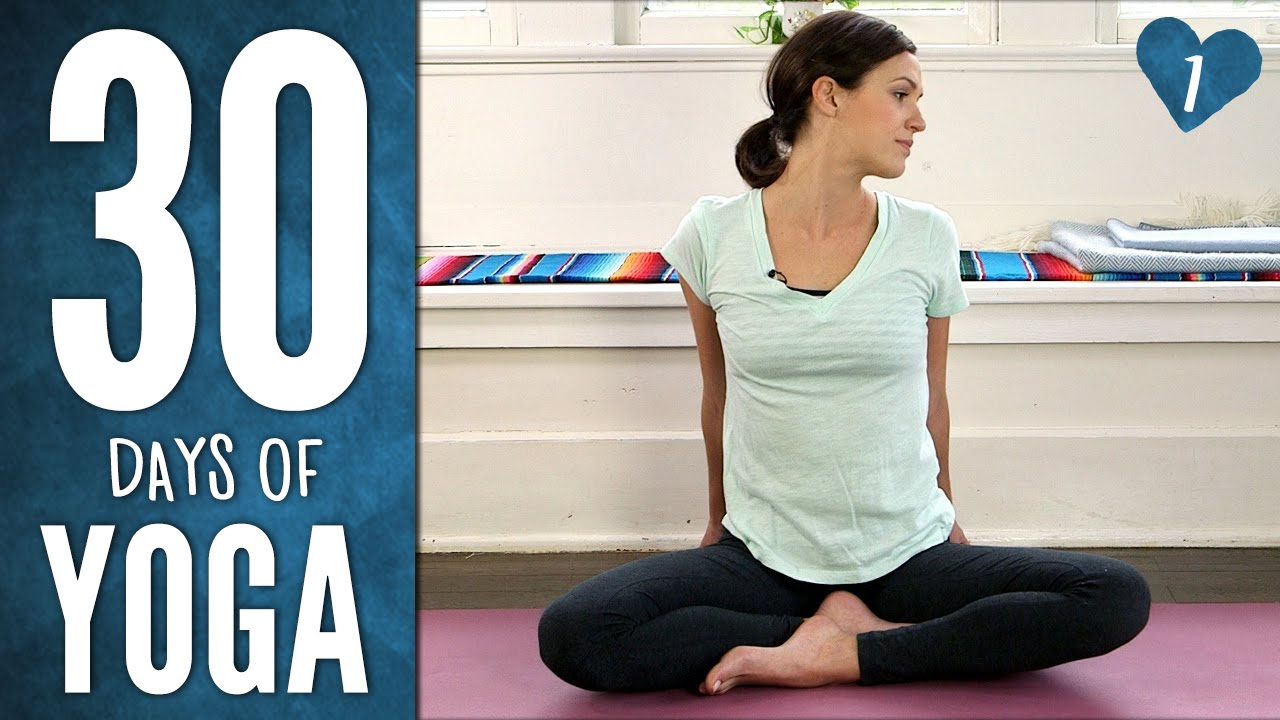
Twenty-two minutes. Free. Eleven years on YouTube. Saved on the eve of every January, every Monday, every birthday with a zero in it.
Adriene Mishler now has, according to Marie Claire's running profile, more than thirteen million subscribers. Her thirty-day series get millions of new viewers every January. A non-trivial portion of those viewers, in any given year, save Day One in a tab on a Sunday evening and never come back to it. They are not lazy. They have not given up on being healthier. The tab is the visible commitment, the small altar. Closing it would be the thing that means giving up. Leaving it open is the thing that means tomorrow is still possible.
In 1986, two Stanford-trained psychologists named Hazel Markus and Paula Nurius wrote a paper for American Psychologist that named this exact mental object. They called it the possible self. The possible self, in their phrasing, is the cognitive component of a hope, a fear, a goal, or a threat. We walk around, all of us, carrying mental sketches of who we might become, who we are afraid of becoming, who we hope to become. The hoped-for selves and the feared selves are equally real to the brain that holds them. They drive behavior. They organize attention. They give the present a direction.
The hoped-for self does not have a body, but she has a tab. She has the yoga video. She has the language course. She has the lecture. The tab is the one place in the entire built environment where she lives.
The tab is not a to-do item. The tab is a small letter, addressed to the version of yourself who you would like to become, that you cannot bring yourself to close because closing it would feel like saying she will not arrive.
The Tab a Friend Sent You
The third tab is the one with a person attached. A friend texted you a link. The text said something like this is so good or thinking of you tonight or simply watch when you can. You opened it on the train. You watched ninety seconds. You closed your phone. You opened the tab on your laptop later and there it has stayed. It is, perhaps unsurprisingly, often a TED talk. There is a particular Tim Urban TED from 2016, recorded when he was already running the blog Wait But Why, that has thirty million views and that exists in tabs around the world as a kind of running joke about itself. It is a fourteen-minute talk. It is called Inside the Mind of a Master Procrastinator. It is a talk about why we do not finish the things we say we will. It is, very often, a tab the receiver does not finish.
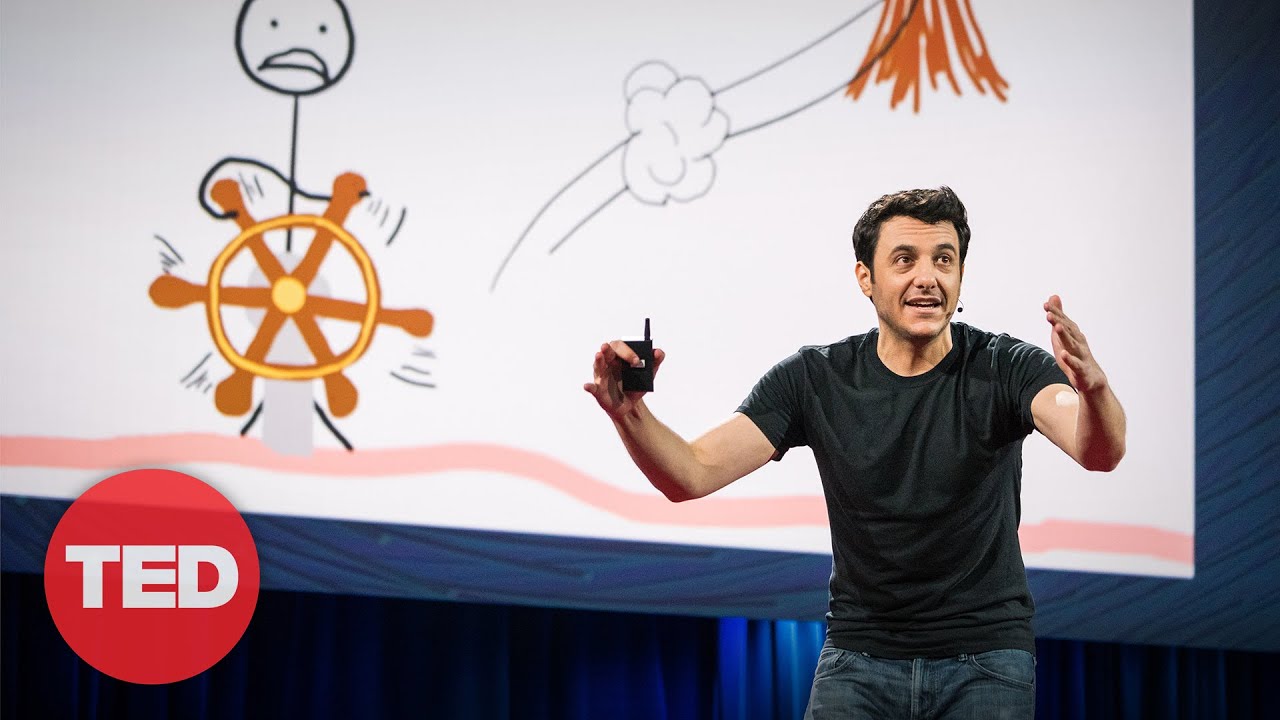
A fourteen-minute talk about not finishing things. Saved by people who do not finish it. The tab knows.
The shared tab is the most tender of the three. It is the only one that arrived with another person's hand on it. Closing it without watching it does not feel like breaking a promise to a future self. It feels like ignoring a friend. The tab carries the weight of a small social debt: my friend was thinking of me on a Tuesday afternoon, and the least I can do is watch the thing she was thinking of. Ethan was right that tabs are decisions deferred; what he was too kind to say is that some tabs are also conversations deferred. The unwatched friend-tab is the part of yesterday's friendship that you have not yet closed the loop on.
What the Tabs Actually Mean
What the Carnegie Mellon researchers heard, when they sat down with people one at a time and asked them why they could not close a tab they had not opened in months, was almost never logistical. It was almost always about a future self. Future me will read this. Future me will need this. Future me will be the kind of person who watches this lecture, takes this course, makes this recipe, returns this friend's recommendation. The tab was not a bookmark. The tab was a small contract with someone who had not yet arrived.
The CMU paper has a phrase the authors keep returning to: the black hole effect. Participants told them, again and again, that the moment a thing went out of sight, it was gone. The fear of the black hole is what kept the tabs open. But what is being fed to the black hole, in the moment of closing, is not really the tab. It is the version of yourself who opened it. Closing the lecture means closing, for tonight, the door behind which lives the academic version of you. Closing the yoga tab means closing, for tonight, the door behind which lives the version of you who starts on Monday. Closing the friend's tab means closing, for tonight, the door behind which the friendship continues uninterrupted.
Three Tabs in Your Browser Right Now
The dashboard, as Ethan kept saying this morning and as I have said in different language for nearly a year, sees only the open URL. It does not see the woman in the kitchen at three on a Tuesday, who briefly believed in herself enough to click. It does not see the Sunday-evening hope. It does not see the friendship. The tab manager will fold all three of them into the same beige rectangle and offer to let you save them for a session you will not, statistically, reopen.
What I Think You Should Do
I am not going to tell you to close the tabs. Ethan made the case for the cognitive tax this morning, and he is right, and you can read his column. He is the one with the spreadsheet and the twenty-three minutes of refocus cost. He has run the numbers. The numbers say close them.
I want to make a small softer case alongside his.
The next time you sit down at the laptop and your eyes pass across the row of forty-seven tabs and you feel the small familiar shame, look at them as portraits. The Sapolsky lecture is a Tuesday afternoon you wanted to be smarter. The yoga video is a Sunday night you wanted to start. The TED talk is a friend who took ninety seconds out of her own day to think of you. The recipe is a dinner party you wanted to throw. The long article is a person you wanted to be like. They are not failures of follow-through. They are evidence that you reached, in a small private moment, for a slightly better version of yourself, and that the small private moment was real even if the action did not come.
Then, gently, close most of them. Not because the dashboard is right, but because the version of yourself the tab is keeping alive does not actually live there. She lives in you. The tab is not the only place she is allowed to exist.
The Sapolsky lecture is on YouTube forever. So is the yoga video. So is the TED talk. The hard saving was the moment you noticed the door. You can stop guarding the door now. You already crossed it.
It is a Tuesday afternoon in late spring. You have the laptop open. You close the tab. You do not lose anything. The version of yourself who opened it is, against all evidence, still here. She is the one closing it.
Join the conversation