Developer guide
YouTube for Developers: Organize Tutorials and Conference Talks
Developers watch hundreds of tutorials, conference talks, and code walkthroughs every year on YouTube. The platform has no system for organizing technical content by language, framework, or project. Here is how to build one.
YouTube for Developers: Key Numbers
Most-Watched Developer Topics on YouTube
Developer Learning via YouTube: Time Investment
Why developers have a YouTube organization problem
Software development is one of the most tutorial-dependent professions in existence. A frontend developer learning a new framework watches conference keynotes, API walkthroughs, and step-by-step build videos. A backend engineer debugging a production issue searches for videos explaining database optimization, caching patterns, or container orchestration. A junior developer preparing for interviews watches hundreds of algorithm explanations and system design breakdowns. In all of these cases, YouTube is the primary video source, and the content is dense, technical, and worth revisiting.
The problem is not that developers watch too many videos. The problem is that YouTube provides zero infrastructure for organizing technical content. A React tutorial from a JavaScript conference sits in the same Watch Later list as a Go concurrency talk, a CSS layout walkthrough, a Kubernetes deployment demo, and a soft skills presentation from a leadership summit. Three months later, when you need that specific React hooks explanation for a refactoring project, you have no way to find it. The video is buried somewhere in a list of 400 unsorted entries, and YouTube's search only works for public content, not your personal saved videos.
This is a uniquely painful problem for developers because technical videos are reference material, not entertainment. You do not watch a conference talk about event-driven architecture for fun and then move on. You watch it because it describes a pattern you might need to implement in six months, and when that moment arrives, you need to find the talk, locate the exact code example, and review the implementation details. YouTube's design makes this workflow nearly impossible without external tools, browser bookmarks, or elaborate spreadsheet systems that no one maintains past the first week.
The four pain points every developer recognizes
1. You cannot find the tutorial you watched three months ago
This is the canonical developer YouTube frustration. You distinctly remember watching a 40-minute video where someone explained exactly how to set up authentication with a particular library. You remember the explanation was clear, the code worked, and you planned to use that approach for your next project. But now you cannot find the video. YouTube's watch history is chronological and unsearchable within your own viewed content. Your Watch Later list has 600 videos in it. Your browser bookmarks are a flat mess. The video might as well not exist, and you spend 30 minutes searching YouTube for something you already found once, often settling for a worse tutorial because you cannot locate the original.
2. No way to bookmark the exact code example timestamp
A typical conference talk runs 30 to 60 minutes. The code example you care about might occupy a 3-minute window starting at the 22-minute mark. Without a way to bookmark that exact moment, every future visit to the video requires scrubbing through the timeline, trying to remember where the relevant section was. YouTube chapters help when speakers add them, but conference talk recordings rarely have chapters, and even when they do, the granularity is too coarse. You need to mark the exact line where the speaker shows the implementation pattern, the configuration snippet, or the terminal command. YouTube has no mechanism for this.
3. Tutorials from different frameworks get mixed together
A developer who works with React, TypeScript, Python, and Docker has four entirely separate knowledge domains. Tutorials for these technologies have nothing in common and should never be stored in the same unsorted list. But YouTube's Watch Later makes no distinction. A React Server Components deep-dive sits next to a Python FastAPI tutorial, which sits next to a Docker networking walkthrough. When you need React content specifically, you have to visually scan every entry to filter by technology. This problem compounds as your career progresses and your technology surface area expands. Senior developers who have touched 10 or more frameworks over their career have Watch Later lists that are functionally useless for finding anything specific.
4. No searchable notes for code context
When you watch a tutorial, you often have context that the video itself does not capture. You might think "this pattern solves the caching bug in the payments service" or "use this approach instead of the one in the docs because of the edge case at 14:30." That context lives in your head for about 48 hours and then vanishes. Without a way to attach notes to saved videos, you lose the reason you saved the video in the first place. The video title might say "Advanced TypeScript Patterns" but your actual reason for saving it was one specific utility type shown at the 8-minute mark. That context is the most valuable part of your personal library, and YouTube has no place to store it.
Building a developer-grade video library
Organize by language, framework, and project.
Organize by language and framework
The foundation of a developer video library is technology-based categorization. In YouTube Bookmark Pro, create shelves that mirror your tech stack: "React," "TypeScript," "Python," "Go," "DevOps," "System Design," "Career." Each shelf becomes a curated collection of tutorials, conference talks, and walkthroughs for that specific technology. When you save a video, you choose the shelf in one click. When you need to review React patterns before a sprint, you open the React shelf and everything is there.
This approach scales naturally as your stack evolves. When you start learning Rust, create a Rust shelf. When you move into machine learning, create an ML shelf. When a technology becomes less relevant to your work, the shelf stays searchable but moves to the background. Over the course of a career, this library becomes a personal technical reference that no bookmark folder or Watch Later list can match.
Timestamp the exact code examples
This is the feature that changes the developer YouTube experience most dramatically. When a speaker in a conference talk shows a code example at the 22-minute mark, drop a timestamp at that exact moment. Label it: "Auth middleware pattern with JWT validation," "Custom hook for infinite scroll," "Dockerfile multi-stage build example." When you need that code example six months later, you search your library, find the video, and jump directly to the timestamped moment. No scrubbing, no guessing, no rewatching 20 minutes of introduction to reach the part you need.
Timestamps are especially powerful for long conference talks and workshop recordings. A single 90-minute workshop might contain five or six distinct code examples worth bookmarking individually. With timestamps, that workshop becomes a structured reference with direct links to each implementation pattern. The free tier includes unlimited timestamps, so this costs nothing to implement.
Add notes with code context
Notes close the gap between what a video contains and why you saved it. When you bookmark a TypeScript tutorial, add a note: "The utility type at 8:20 solves the API response typing problem in the dashboard project." When you save a Docker networking video, note: "Use this bridge network setup for the staging environment migration." These notes are searchable, which means you can search for "dashboard" or "staging" across your entire library and find the relevant videos instantly, even if the video titles contain neither word.
For developers, notes also serve as breadcrumbs for future debugging. If you watched a video that helped you solve a specific production issue, note the issue and the solution. The next time a similar problem arises, searching your library for the error message or the service name leads you directly to the video that helped before. This turns your library into a personal incident response archive that grows more valuable with every resolved issue.
Search across your entire library
Library search is the feature that ties everything together. It searches across video titles, your notes, your timestamp labels, and shelf names simultaneously. Search for "authentication" and you find every tutorial, conference talk, and code example you have ever saved that relates to auth, regardless of which shelf it lives on or when you saved it. Search for "React hooks" and you get every hooks tutorial you have bookmarked, with direct links to your timestamped code examples. This is the developer equivalent of having a personal Stack Overflow built from content you have already vetted and annotated.
What a developer library looks like
Organized by framework with timestamped code examples.

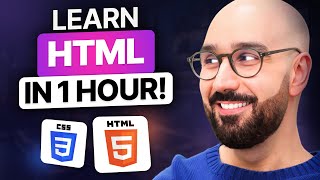
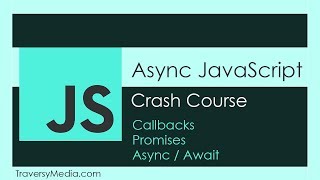

The conference talk workflow
Conference season produces a firehose of valuable content. React Conf, Google I/O, PyCon, GopherCon, KubeCon, and dozens of smaller events upload hundreds of hours of talks to YouTube every year. Most developers binge-watch the highlights during the week after the conference, and then never revisit the content. The reason is simple: the talks disappear into watch history and become unfindable.
A better workflow is to treat conference talks like technical documentation. When you watch a talk, bookmark it to the relevant technology shelf. Timestamp the key code examples and architectural insights. Note what the talk covers and how it applies to your work. At the end of conference season, you have a curated collection of the best insights from every event, organized by technology and searchable by keyword. When a coworker asks "did you see that talk about the new bundler," you can search your library and share the specific video with the exact timestamp in seconds.
This approach also helps with knowledge sharing across teams. If your team is evaluating a new technology, you can build a shelf dedicated to that evaluation, fill it with the best conference talks and tutorials, and share the shelf structure with your team. Everyone watches the same curated content instead of independently searching YouTube and finding different videos of varying quality.
Recommended shelf structure for developers
The ideal shelf structure mirrors your technology stack plus a few cross-cutting categories. Here is a starting point that works for most developers:
- Primary language shelves: One shelf per language you actively use. "JavaScript/TypeScript," "Python," "Go," "Rust," etc. These shelves hold tutorials, deep dives, and language-specific conference talks.
- Framework shelves: One shelf per framework that generates enough content. "React," "Next.js," "FastAPI," "Django," etc. If a framework does not generate more than 5 to 10 saved videos per year, it can share a language shelf.
- Infrastructure shelves: "DevOps/CI-CD," "Docker/Kubernetes," "AWS/Cloud," "Database." These hold deployment, scaling, and operations content that crosses language boundaries.
- Architecture and design: "System Design," "Software Architecture," "Design Patterns." Conference talks and deep dives that are not language-specific.
- Career and soft skills: "Interview Prep," "Team Leadership," "Communication." Technical career content that does not belong in a language shelf.
Start with five to eight shelves and expand as needed. The goal is to have a shelf for every category where you can imagine yourself searching for content in the future. Over time, your library becomes a personal technical index that supplements documentation, blog posts, and Stack Overflow with video content you have already watched, vetted, and annotated.
The bottom line
Stop losing tutorials. Start building a dev library.
Every tutorial you watch and cannot find again is wasted time. YouTube Bookmark Pro turns your YouTube habit into a structured, searchable developer reference - organized by framework, timestamped at the code examples, and annotated with the context you will need later. The Library is free forever.
Frequently asked questions
Can I organize YouTube tutorials by programming language?
Yes. YouTube Bookmark Pro lets you create custom shelves for each language, framework, or topic. Create a shelf for React, another for Python, another for DevOps. When you save a tutorial, choose the relevant shelf. Your library stays organized by technology rather than chronologically, and you can search across all shelves simultaneously.
How do I bookmark a specific code example in a YouTube video?
Use the timestamp feature. While watching a tutorial or conference talk, click the timestamp button at the exact moment the code example appears. Add a label describing what the code does. When you revisit the video later, click the timestamp to jump directly to that moment. You can add multiple timestamps per video, turning a 45-minute talk into an indexed reference of code examples.
Is YouTube Bookmark Pro free for developers?
The Library tier is free forever, including video bookmarks, shelves, timestamps, notes, and full library search. These are the core features developers need. Pro at €6 per month (from €4.90/mo annually) adds cloud sync across devices and subscription folders. Creator at €17 per month (from €14.90/mo annually) adds channel analytics for developers who also run YouTube channels.
Can I search across all my saved tutorials at once?
Yes. Library search indexes video titles, your notes, timestamp labels, and shelf names. Search for "authentication" and you find every related tutorial across all your shelves, plus your specific notes about auth implementations. This is the developer equivalent of having a searchable index of every technical video you have ever found useful.
Does it work with conference talk recordings from React Conf, PyCon, and similar events?
Yes. YouTube Bookmark Pro works with any video on YouTube. Conference talks from React Conf, PyCon, GopherCon, Google I/O, JSConf, and all other events that upload recordings to YouTube can be bookmarked, timestamped, annotated, and organized into your library shelves exactly like any other video.
Related resources
- Library feature overview - Full details on shelves, timestamps, notes, and search.
- How to save YouTube videos with timestamps - Step-by-step timestamp guide.
- Find a YouTube video you watched before - Search and retrieval techniques for your library.