
Some Videos Stop Being Videos. They Become a Date You Keep Every Year.

There is a kind of video you do not decide to watch. The decision is made for you, by a date. The first genuinely cold morning arrives and your hand is already typing six words into a search bar before the rest of you has agreed to it. A calendar flips to a month and a song is suddenly playing in your kitchen that you have not thought about once since this time last year. You did not press play, exactly. The year pressed it for you.
Most of what we watch, we watch once. It washes through and is gone, and that is fine, that is what most video is for. But a small handful of videos do something stranger. They refuse to stay watched. They come back on a schedule nobody set down on paper, the same three minutes returning to the same screen at the same hour of the same season, until they have stopped being videos at all and quietly become a calendar.
The one that comes back in December
Mariah Carey recorded "All I Want for Christmas Is You" in 1994, and for a quarter of a century it was just a beloved Christmas song. Then something the charts had never really seen before started happening. In December 2019, twenty-five years after it came out, it reached number one on the Billboard Hot 100 for the first time, and then, as Billboard and the official record both note, it came back to number one the next December, and the next, every holiday season since, until by the end of 2025 it had piled up twenty-two cumulative weeks at the top, the longest-leading number one in the chart's history, collected a few days at a time, every winter.
Think about what that actually is. It is not a song climbing the chart. It is a whole hemisphere reaching for the same three minutes at roughly the same moment, the way you reach for a coat. The video that comes with it is the one most of us picture without trying: grainy 1993 home-movie footage, Mariah in a Santa suit in the snow, the same warmth every time, because it is literally the same footage every time.
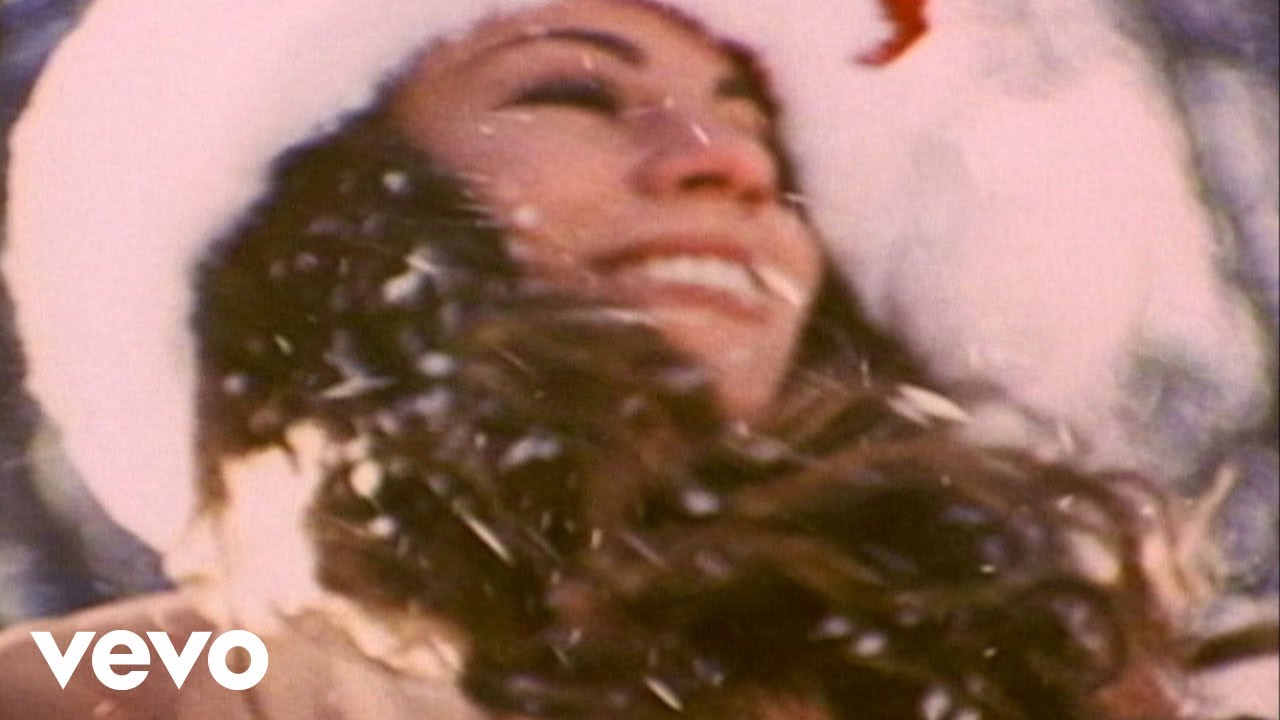
A few videos stop being something you watch and become something that happens to you, on a date, whether you meant to or not.
The one you already know you will play in June
Some of these dates are not on any printed calendar. They belong to a season of a life instead of a season of the year. Vitamin C released "Graduation (Friends Forever)" in the spring of 2000, a song that is, in its own plain words, about how friends drift apart after high school, and for more than two decades now it has been the song that plays in the background of American June, in slideshows and gymnasiums and the comment sections of people who are about to lose daily contact with everyone they grew up beside.
Nobody schedules it. It schedules itself, every graduation season, because the video is doing a job no new song can take over. It is the doorway you walk a feeling through. You do not return to it because you are nostalgic for a 2000 pop song. You return to it because something is ending again, for someone, maybe for you, and this is the three-minute room you have always gone to stand in while it ends.

The one that was never a joke
And then there is the date that turned a grief into a clock. Green Day's "Wake Me Up When September Ends" came off American Idiot as a single in June 2005, and Billie Joe Armstrong wrote it about his father, who died of cancer in September 1982, when Armstrong was ten. The story he has told is that on the day of the funeral he ran home, locked his door, and when his mother knocked he said to wake him up when September ended. He carried that sentence for more than twenty years before it became a song. The video Samuel Bayer built around it is a small, devastating film about a young couple torn apart when the boyfriend ships out to the Iraq War.
You know what happened next. Every year, as September runs out, the internet wakes Billie Joe up. The memes return like clockwork, and so do the views: in 2019, the song's YouTube viewership jumped 135 percent on the last day of September against the rest of the year's daily average, the same spike it gets every autumn as the calendar tips toward October. Armstrong has been gracious and a little exasperated about it, joking once that he might write a follow-up called "Shut the Fuck Up When October Comes."
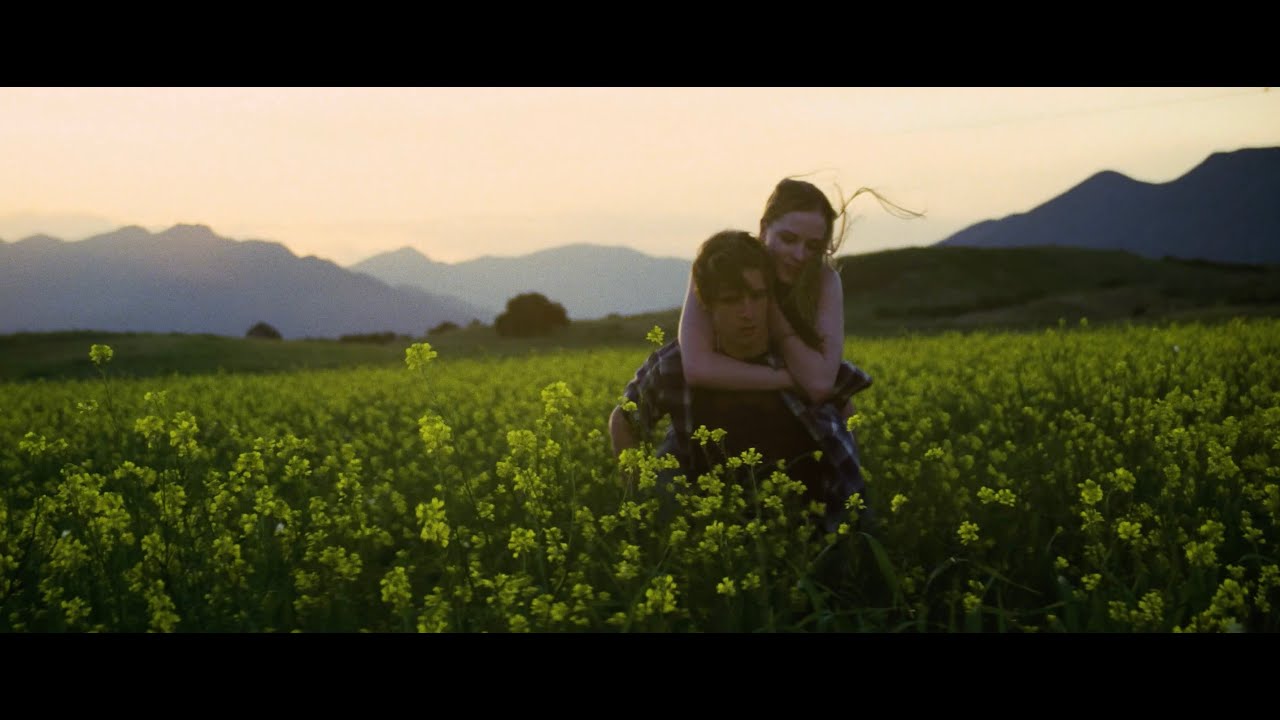
The video holds still so you can see yourself move
Here is what all three have in common, and it is the quiet engine under every anniversary watch. The video does not change. Not one frame. Mariah is forever in the 1993 snow, the Vitamin C kids are forever in their high school hallway, the couple in the Green Day video is forever frozen at the same goodbye. The only variable in the entire ritual is you - who you were last December versus this one, who was beside you at last year's graduation and who has drifted since, what the turn of October means to you now that it did not mean before.
That is why playing it again tells you anything at all. A fixed thing is the only honest ruler. You cannot measure how far you have moved against something that moved too. These videos are the closest the internet has to a church bell - millions of strangers returning to the exact same three minutes on the exact same date, each of them privately convinced they are doing it alone, all of them in the same enormous room without knowing it. It is the nearest thing we have built to a shared holiday, assembled out of nothing but a date and a willingness to press play one more time.
The video never moves. You do. That is the only reason playing it again tells you anything.
The calendar only you can read
Mariah and the graduation song and the September elegy are the public dates, the ones the whole crowd keeps at once. But almost everyone is also quietly keeping a private version - the video you put on every year on a birthday that is hard now, the one you return to each anniversary of a day only you remember, the clip a person sent you that you reopen on the date they would have turned something. Those are calendars too. They just have an audience of one.
The trouble with the private ones is that they are easy to lose. The public anniversary songs come back on their own, carried by a hundred million other people; nobody has to remember Mariah for you. But the video that means something only to you has no crowd to resurface it. If you do not write the date down somewhere, the year arrives and passes and the small private holiday simply does not happen, and you do not even notice the room you forgot to stand in. This is the unglamorous, deeply human reason to save a video on purpose rather than trusting it will float back: you are not just keeping the clip. You are keeping the appointment.
We tell ourselves we save things to watch later. Sometimes, though, we are setting a date with our future selves - leaving a marker that says, when this season comes around again, come back here, this mattered, you will want to stand in this room once more. The public songs are the calendar the world keeps. Your saved drawer is the one only you can read. Both run on the same small act of faith: that some three minutes are worth returning to, on a date, every year, just to find out how far you have come since the last time the video held perfectly still.
Join the conversation