
The Collaboration Was Never the Video. It Was Somebody Saying, Watch My Friend.

Her phone lit up on a Wednesday afternoon. A notification from YouTube - not a view count, not a comment. A message from a channel she had been watching for three years, a channel maybe thirty times the size of hers. The message was short. Something like: I love what you're doing. Would you want to make something together?
She told me later it took her a full minute to believe the notification was real. She thought she had misread the sender. She checked it twice. And then, quietly, the thing that had actually happened landed. Someone she admired had looked at what she was making and decided, on purpose, to turn their whole audience toward it. Not the video. Her. The person behind it.
That feeling - being chosen, being pointed at by someone you respect - is what a collaboration on YouTube has always been. Long before YouTube built a button for it.
The collaboration was never the video
YouTube recently released a formal collaboration feature - up to five creators on a single video, each with their own Subscribe button in the interface, the upload appearing in every collaborator's subscriber feed at once. Ethan walked through the mechanics this morning in his piece on the new feature - including the part everyone seems to want to talk about, which is that zero percent of revenue gets shared between collaborators. The hosting channel keeps it all.
But here is the thing. The revenue was never the point. I don't mean that in a naive way. I mean it literally: the valuable thing that changes hands in a collaboration was never the money. It was the audience. It was the vouch.
A collaboration was never really the shared video. It was one person turning to their whole audience and saying, quietly, watch my friend.
The co-uploaded video is just the container. What actually moves is trust. One creator saying to everyone who showed up to watch them: I found someone. You should know them. That sentence is older than the feature by fifteen or more years. YouTube just made the introduction one click.
But the introduction was never the hard part. Or rather - it was always the hard part. The hard part was meaning it.
Three friendships that were collaborations first
The best collaborations on this platform have never been about the upload schedule. They have been about the bond underneath it. Three cases that have stayed with me.
On January 1, 2007, John and Hank Green stopped texting for a year and started talking to each other on camera instead. Every weekday. No editing. No scripts. They called it Brotherhood 2.0. The collaboration was not a content strategy. The collaboration was a friendship, conducted in public, on a platform that barely existed yet.

Where it started. Two brothers talking to each other on camera. Nineteen years ago. The channel is still going.
Rhett McLaughlin and Link Neal met on the first day of first grade, September 4, 1984. Their teacher kept them in from recess for writing on their desks and had them sit together to color mythical beasts as punishment. They have been making things together ever since. Good Mythical Morning has been running for well over a decade. The collaboration is not a show - it is a forty-year friendship that found a new room to live in.

Forty years. Same two people. The channel is the format. The friendship is the thing.
Then there was Our2ndLife - six friends, founded in 2012, who moved into a house together to make videos. Connor Franta and the others. They ended the channel on December 29, 2014 with a video called "This Is Not Goodbye." They were right: the channel ended. The friendships did not. Years later, they were playing games together again, showing up in each other's content, moving through each other's lives. The collaboration had never been the channel.
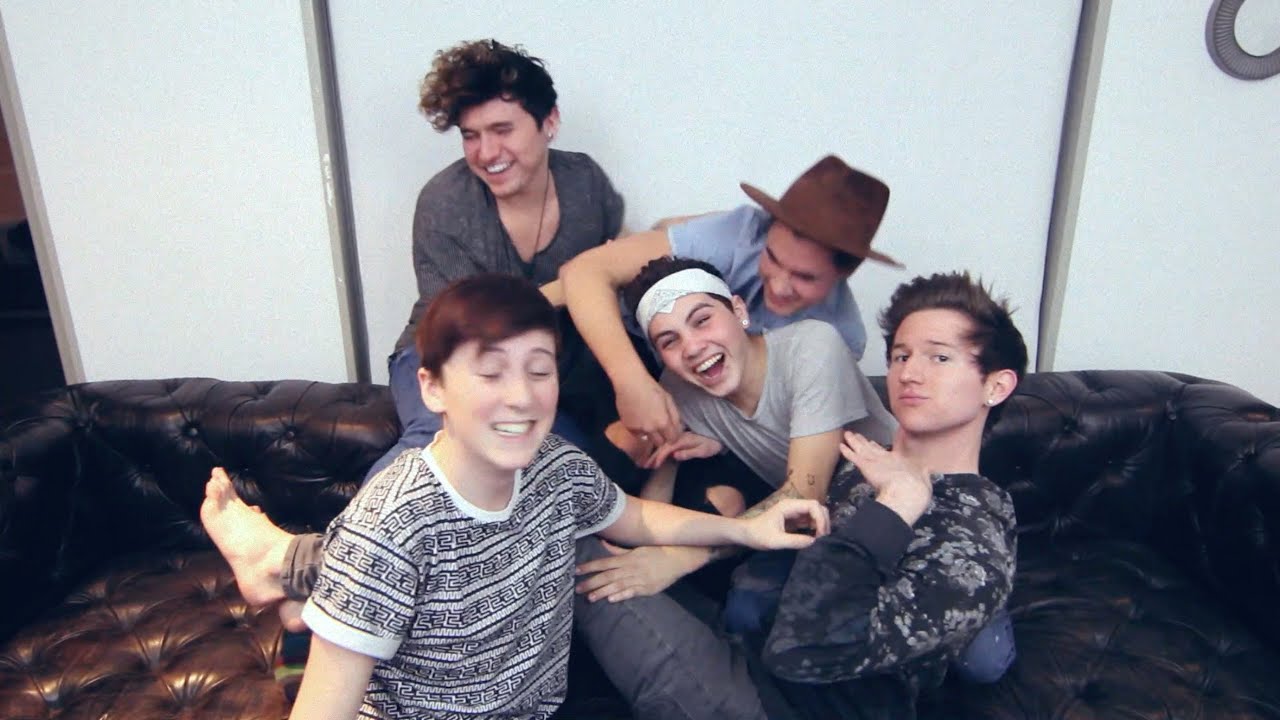
The channel ended. The title was right about the other part.
What the feature can hand you, and what it can't
Back to the new feature. The things it actually does are real, and they matter. A Subscribe button next to your collaborator's name - right there in the video interface - is not a small thing. Before this, a shout-out was a verbal mention, a text card, a link in the description that most people never read. The feature makes the introduction visible in a way that converts. For a smaller creator, that friction reduction is meaningful. As vidIQ notes, the Subscribe-button moment matters most at lower subscriber counts, where every clear path to a follow counts the most.
YouTube made the introduction one click. It was never the introduction that was hard. It was meaning it.
But there is a column next to the "can" column. And it is longer.
- A Subscribe button next to your collaborator's name in the video
- Your video in both audiences' feeds at once
- Up to 5 names on one upload
- One-click discovery instead of a buried shout-out
- The reason you chose this person
- The years that happened before the upload
- The vouch actually meaning something
- The friendship that outlasts the channel
The feature can place a Subscribe button next to a name. It cannot manufacture the reason you put it there. And audiences know the difference. A collaboration between two people who genuinely like each other has a texture that an arranged collab for audience cross-pollination doesn't. You can feel it in the body language, in whether they finish each other's sentences, in whether the awkward moment is charming or just awkward. The platform cannot generate that. It can only give it a better container.
The sentence under the button
The collaboration feature is new. The sentence under it is as old as the platform.
It has always gone something like this: I found someone. You should know them too. Sometimes it was said out loud in a video. Sometimes it was a subtle credit in the description that the core audience caught. Sometimes it was just a creator showing up in someone else's comment section and leaving a genuine response - and the audience noticing, and following the thread.
The button is cleaner now. The pathway is shorter. For a small creator getting their first real collab with someone bigger, that shortened path is the difference between a handful of new subscribers and a wave that actually changes their trajectory. The mechanism matters.
But the mechanism was never the point. The point was always the decision made before anyone opened a camera. Somebody looked at what someone else was building and thought: the people who trust me should know about this. That thought is a gift. YouTube can make the gift easier to deliver. It cannot make anyone want to give it.
The collaboration was never the video. It was somebody saying, watch my friend. That sentence is twenty years old on this platform and it still does not fit inside a button. It probably never will.
Join the conversation