
YouTube Ran Its First Pilot Season. The Part the Pitch Deck Didn't Mention.
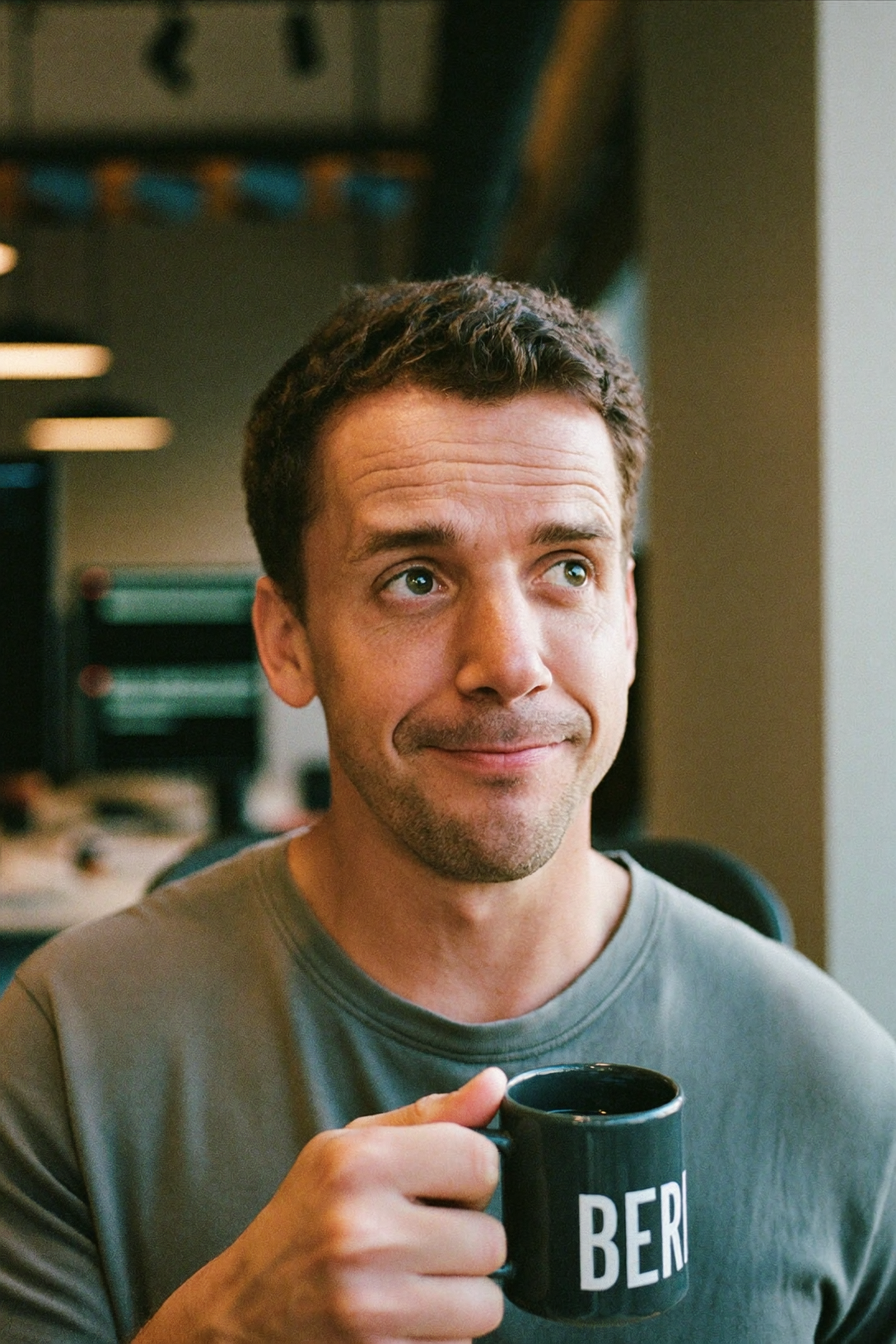
Outside Tonight with Julian Shapiro-Barnum premieres June 17 at 8 p.m. ET.
That sentence reads like a TV listing. It is a TV listing. YouTube published it three days ago.
On May 13, YouTube hosted its annual Brandcast at Lincoln Center in New York - the same kind of advertiser upfront that NBC and CBS have been running since the 1960s. The format is the same one TV networks have used for six decades: show brand executives your best programming, give them premiere dates, let them buy packages against specific content before it airs. YouTube has done a version of this every year since 2012. But 2026 was different. For the first time, YouTube unveiled a formal Creator Shows Slate: 20+ series, each with premiere dates, episode counts, and press kits. Some have Emmy campaigns. One has an 8 p.m. ET time slot.
The platform that built its audience by telling the world "Broadcast Yourself" is now scheduling primetime.
What YouTube Just Made Official
The Creator Shows Slate is YouTube's first formal pilot season. Prior Brandcasts sold creator reach to advertisers - "your brand next to X million views." The 2026 slate does something different: it sells specific, named series with structured deals. Kareem Rahma's Keep the Meter Running premiered May 13 at the event itself - a show where Rahma asks cab drivers to take him to their favorite place and tells him their story. Outside Tonight (Julian Shapiro-Barnum's late-night format) launches June 17. Jesser's Summer of Soccer is an eight-episode competition event timed to the World Cup. Pot Stirrer - Alex Cooper drops a Thanksgiving special. These are scheduled media drops, not YouTube uploads.
The awards play is real. YouTube is organizing Emmy campaigns for Rahma's viral interview series Subway Takes and the new Keep the Meter Running. If Subway Takes gets an Emmy nod, it will be because YouTube made a deliberate awards-season push - the same approach HBO uses for its dramas. And in December 2025, YouTube quietly secured exclusive streaming rights to the Academy Awards starting in 2029, running through 2033. ABC has aired the Oscars since 1961. That is 65 years. It ends in three.
The Part the Pitch Deck Skipped
Brandcast is a brand event, not a creator event. The metrics YouTube led with - viewers are 13 times more likely to search for a brand and 5 times more likely to buy when a creator discusses a product - exist to unlock marketing budgets. Those budgets are finite. When a brand commits to a "Creator Show" sponsorship package, they are making a choice about where a portion of their advertising spend goes. That choice is guided by what YouTube puts in the pitch deck.
The mid-tier creator with 200,000 subscribers is not in the pitch deck. This is not a conspiracy; it is just how upfronts work. The same brand dollars that might have gone to 15 different creator integrations are now going to three scheduled series. The platform democratized access to audiences. The upfront re-concentrates advertiser access to creators - by design, for scale, for the exact same reason TV networks ran upfronts in the 1960s.
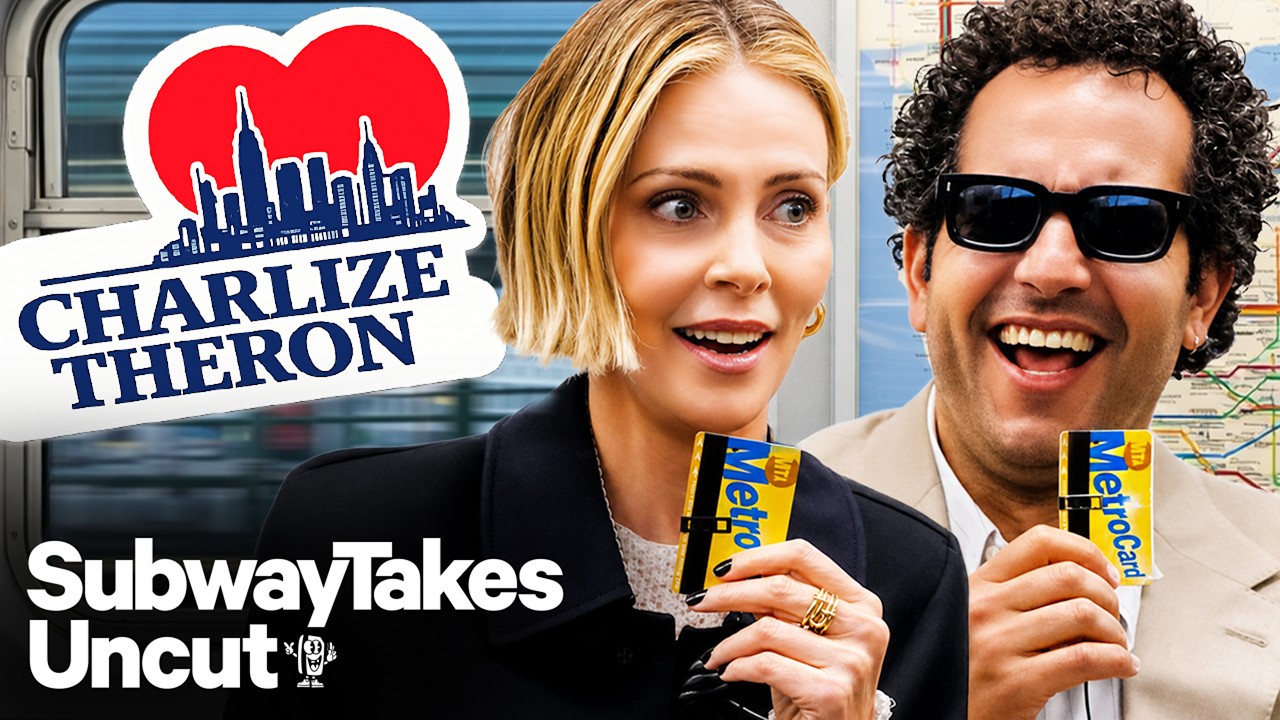
Subway Takes - a viral YouTube series filmed in the New York City subway - now has an Emmy campaign and a spinoff that premiered at Lincoln Center.
What's Different from TV (The Part That Actually Matters)
TV pilot season is a zero-sum game. One show gets the 8 PM Thursday slot. Another doesn't make it to air. If you are not in the lineup, you don't exist that season. YouTube's version is structurally different: the creators in the formal slate still own their channels. Their other videos don't disappear. Alex Cooper's Call Her Daddy episodes didn't need a greenlight from YouTube to happen - they happen, and YouTube packages the relationship for advertisers. The Creator Show exists alongside the rest of the catalog, not instead of it. No cancellation risk. No pilot rejection. No executives deciding your format doesn't fit this season's demographics.
What moved from television to YouTube: the advertiser upfront, the premiere date, the Emmy campaign, the press kit, and eventually the Oscars. What did not move: the zero-sum greenlight. Anyone can still upload a video. Whether that upload gets a spot in next year's Brandcast deck is a different question - but failing to get that spot does not kill the channel. That distinction matters more than it sounds.
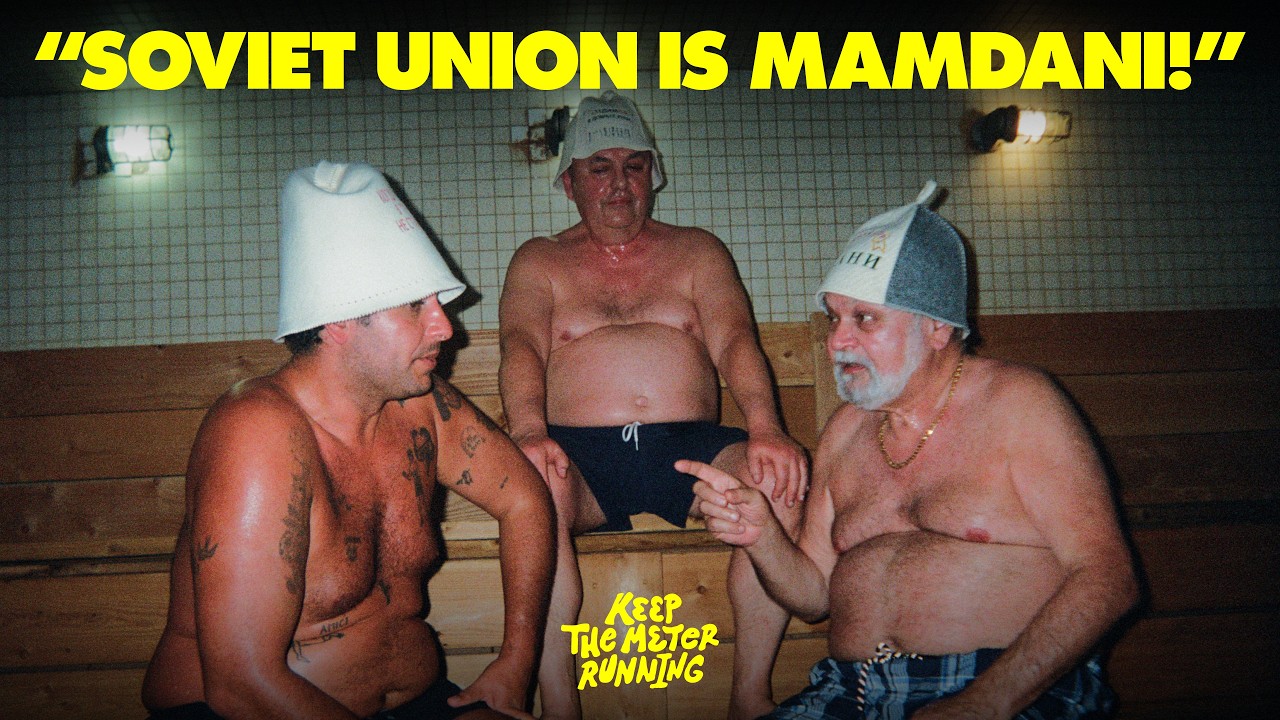
Keep the Meter Running premiered at Brandcast 2026 itself - a show YouTube unveiled to brand executives before it aired publicly. That is pilot season.
The Irony Worth Sitting With
Julian Shapiro-Barnum built his audience on Celebrity Substitute - a show where he impersonated teachers in actual high school classrooms. That show would not have gotten past a traditional TV development executive. Too weird. Too niche. Too dependent on an algorithm surfacing it to the specific audience who would love it.
And yet: June 17. 8 PM ET. On what is now the number one streaming platform in the United States.
The primetime slot moved. The weird show that earned it couldn't have gotten there through television.
The YouTube-as-TV narrative is usually told as a threat - YouTube eating television's audience, stealing its ad dollars, running upfronts at Lincoln Center. That framing is accurate but incomplete. Outside Tonight at 8 PM ET is not YouTube pretending to be television. It is what television would look like if the audience had always decided what got made. The format moved. The gatekeeping logic - which creator gets the primetime slot - is still there. It just runs on different inputs now.
The platform that made everyone a broadcaster is now picking which broadcasters get the primetime slot. The good news is: it picked based on what the audience already wanted. The interesting question is how long that distinction holds.
Join the conversation