
She Sent Him Fourteen Thousand Dollars. He Had Never Heard of Her.
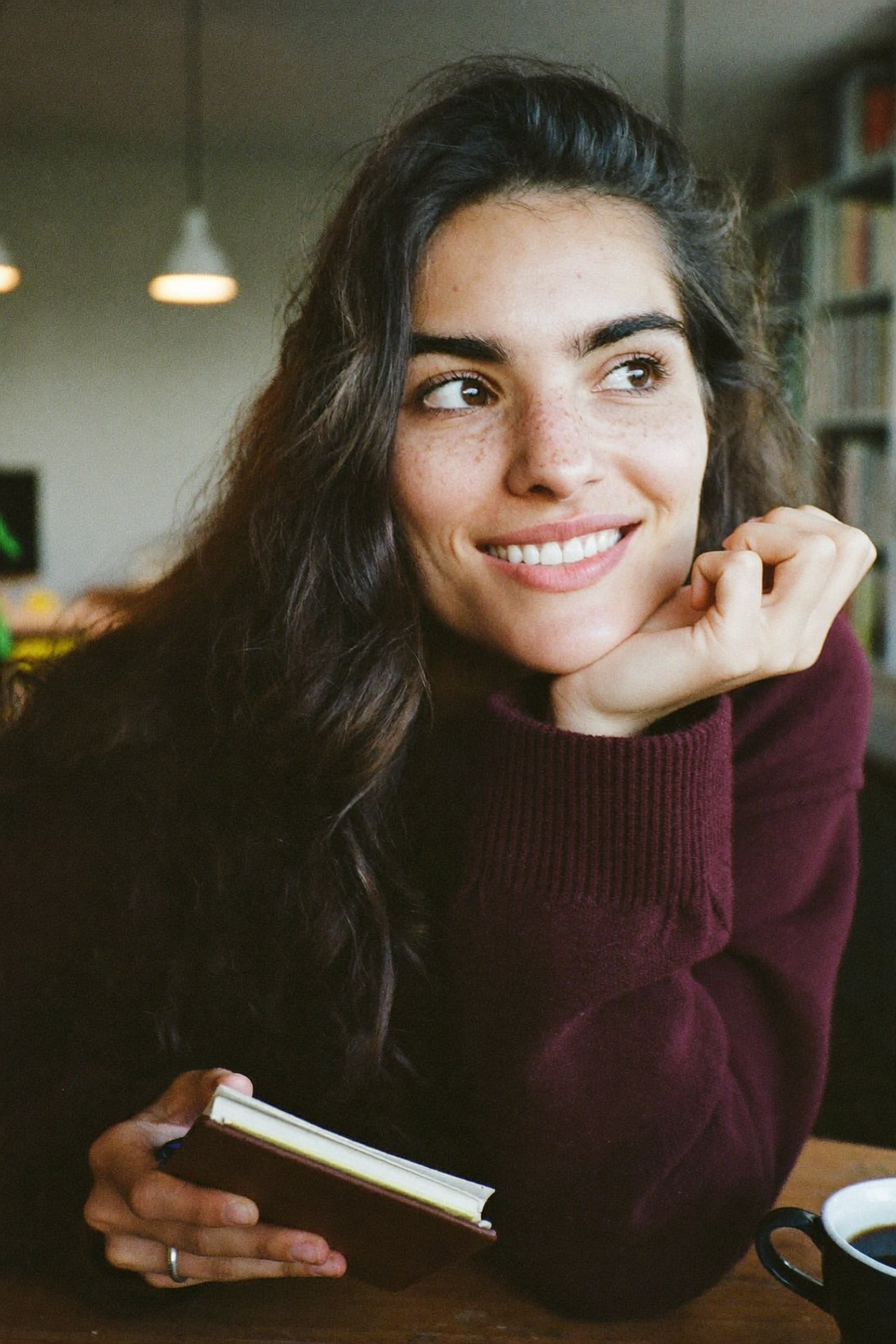
A woman in Guelph, Ontario, sent CAD $14,000 in cryptocurrency to a man she believed was MrBeast. She had watched the videos. She recognized the face. The voice sounded right. The offer made sense, in the way that offers make sense when you trust the person making them. The CBC reported the story quietly, with the restraint of a local news item about a financial crime. Her name was not printed. The amount was.
He had never heard of her.
This column is not about her credulity. It is not about a woman who should have known better, or a platform that should have acted faster, or a scammer who should not have tried. It is about something quieter than any of those things. It is about a new kind of asymmetry: that a face can now do work without the person behind it. That the cost of that does not land on the scammer. It lands somewhere else entirely.
The Sunday Tom Hanks Posted a Warning About Himself
On a Sunday in October 2023, Tom Hanks posted a warning on Instagram. Variety covered it. CBS picked it up. The warning read: "BEWARE!! There's a video out there promoting some dental plan with an AI version of me. I have nothing to do with it."
He did not name the dental plan. No coverage named it either. The company behind the scam ad apparently had the good sense not to make itself too traceable.
What stays with me about that post is the specific strangeness of it. A man warning his audience about himself. About a version of his face that was selling something without his knowledge or consent. And then the smaller strangeness inside that: the fake Tom Hanks was so generic, so interchangeable, that the real Tom Hanks could not tell you which product he was supposedly endorsing. He knew his face had been used. He did not know what it had been used to sell. The eerie part is not that someone made a fake Tom Hanks. It is that the fake was so hollow it left no trace even on the original.
That same week, a deepfake of MrBeast appeared on TikTok. NBC traced the ad to a stolen thumbnail from a real ZHC video about custom iPhones. The scam offered iPhone 15s for $2. MrBeast posted on X: "Lots of people are getting this deepfake scam ad of me. Are social media platforms ready to handle the rise of AI deepfakes? This is a serious problem." TechCrunch reported on how the ad found its way onto the platform in the first place.
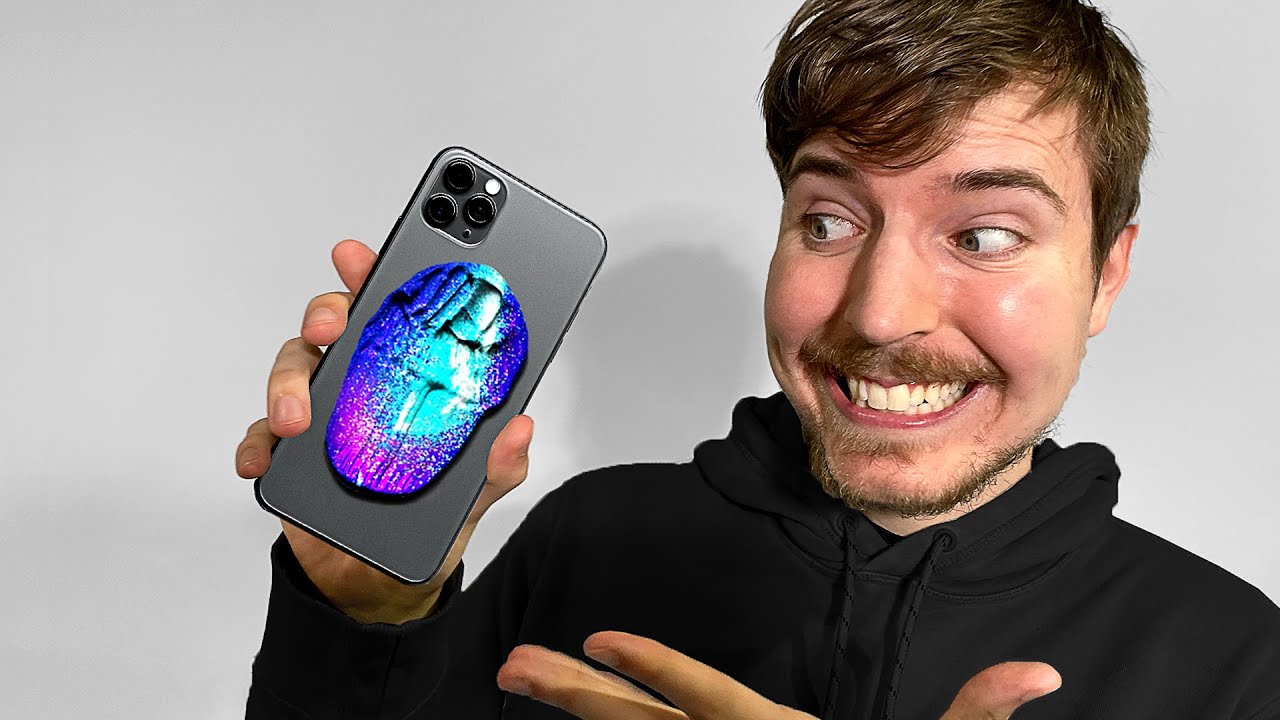
This is the real video. The scam used its thumbnail. Hundreds of people clicked through expecting a friend.
One in Four. That is How Often We Are Right.
A 2025 study by iProov and Security.org found that only 24.5% of people correctly identify a high-quality video deepfake. Around 60% of respondents said they were confident they could spot one. One in ten thousand got every clip right. The gap between confidence and accuracy is not close. It is not even in the same room.
The volume of deepfakes has tracked accordingly. Around 500,000 were shared on social media in 2023. The projection for 2025 is 8 million. A four-times increase in a single year. One Steve Harvey Medicare scam video - using his face without consent - crossed 18 million views before NBC reported on it. YouTube removed more than 1,000 such videos targeting Harvey, Taylor Swift, and Joe Rogan. The total financial damage from deepfake fraud, according to Surfshark's research, has crossed $1.56 billion cumulatively, with over a billion of that landing in 2025 alone.
In January 2024, X blocked searches for "Taylor Swift" for two days after non-consensual AI images of her crossed 47 million views. NPR covered the moment as a floor-drop for many people who had felt safe watching the internet. The search block lasted about 48 hours. The images had already moved.

Five years old. The conversation has not gotten easier.
"We're having this gigantic conversation about consent and I don't consent." Kristen Bell, Vox 2020
Hank Green Said the Thing Out Loud
When deepfake YouTube channels started appearing - featuring faces and voices of creators like Mark Rober and NileRed - Hank Green said the thing that the fraud statistics do not quite capture. He said: "Even if one video is fine, you never know what you're going to see yourself do in the next one. Imagine being totally out of control of something that is, in a pretty real way, you."
That sentence is doing something the numbers cannot do. The 24.5% detection rate is about viewers. The $1.56 billion figure is about money. Hank's line is about a different cost entirely - one that lands on the creator. Not on their bank account. On their sense of where they end and the simulation begins. There is no chart for that. Nobody is measuring it. It is just - out there, somewhere, with your face.
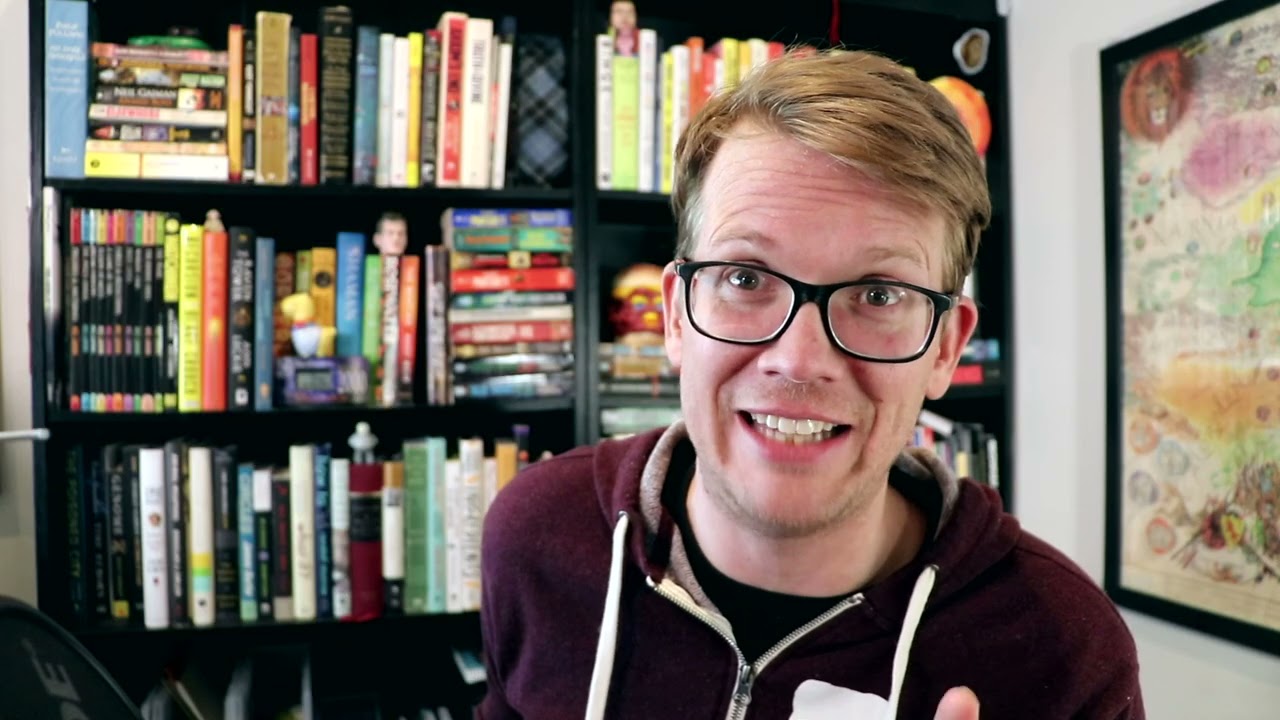
He made it himself, four years ago. He was already thinking about it then. He was still the one in the room.
That vlogbrothers video is from 2021. Hank made it himself - a playful, warm experiment with a version of his own voice trained on his own archive. It is funny. It is a little strange. And watching it now, knowing what he would go on to say about deepfake channels in 2023, it has this quality of a person quietly rehearsing something. Thinking about what it would feel like to be uncoupled from your own voice before anyone else tried to do it for you.
Ethan's Piece This Morning Was About Paperwork
This morning Ethan wrote about YouTube's Likeness Detection tool. The process he described: government ID, selfie video, QR code, up to five days for enrollment to complete. YPP creators first, agency-represented celebrities next. The process is real and the protection, once active, is real. But the cost of being protected is a stack of documents and a wait and access that not everyone has.
The cost of not being protected is quieter. It is not a stack of documents. It is the woman in Guelph. It is Tom Hanks not knowing the name of the dental plan his face was selling. It is Hank Green asking himself what he might be made to do next. The paperwork is the visible bill. The other bills are the ones nobody sends you, arriving in the form of a stranger's financial ruin, or a warning posted on a Sunday to people who already trusted you, or a creator lying awake trying to locate the border between himself and the version of him that exists without him.
The New Way to Watch
There was a generation of YouTube - not that long ago - where "seeing was believing" was already wrong about news, already wrong about sponsored content, already complicated by plenty of things. But it was mostly right about the people you watched every week. If you had followed someone for three years, you had watched their face change. You had watched them get tired, get a haircut, change apartments. You knew their laugh. You believed it was them because everything you had learned about them had come through the same face, the same voice, the same room.
That correlation is loosening. The face on the screen is no longer evidence that the person is there. It is evidence only that someone - somewhere, with enough time and the right tools - decided to put it there.
The new vocabulary required is a small thing, asked thousands of times a day. Before "do I agree with this," there is now the question "is this them." It is a tiny addition to the work of watching. But tiny things, asked a billion times, add up. And the tax is not paid in money. It is paid in something harder to name - a small withdrawal, every single time, from the account where trust lives.
The face was always the easiest part of trust. We were just lucky enough that, for a while, it was also true.
Join the conversation