
You Save Videos for the Person You'd Like to Be. You Watch as the Person You Are.

It is Sunday night and I am scrolling my Watch Later list the way other people scroll old text messages. Near the top, still glowing in unwatched-blue, is a four-hour documentary about plagiarism on YouTube I saved in February. Below it: a one-hour MIT lecture on how to give a good talk, saved in August. Below that: a ninety-minute philosophy interview I added on a Tuesday in October because the title made me feel like the kind of person who would watch it on a Wednesday in October. None of these have been opened. There are so many of these.
I've started thinking of the list as a portrait. Not of one person. Of two. The version of me at eleven in the morning, posture good, second coffee, who clicks save with real conviction. And the version of me at nine at night, dishes still in the sink, who opens YouTube and watches whatever the algorithm hands her. They share a YouTube account. They do not share much else. The save button is the only place they ever meet, and only one of them ever uses it.
The Saver Is an Optimist
The Saver is the version of you that believes in transformation. She is the one who reads The New Yorker on a Saturday and thinks, this winter I will finally learn about Roman aqueducts. She is the one who hears a friend mention Hbomberguy's four-hour video on YouTube plagiarism, calmly says I'll save it for the weekend, and means it. She has good intentions. She also has a job, a body that wants to sleep, and a partner who would like to spend the weekend doing something together. The Saver is not lying. She is just not the only person who lives in this account.
The video below is the canonical example. Plagiarism and You(Tube) ran three hours and fifty-one minutes when it dropped in December 2023. It passed four and a half million views in days, broke open a years-old conversation about credit and copying, and ended several careers. It was, by any measure, important. It is also, by any measure, a four-hour video. I saved it the night it came out. I have started it three times. I have finished it never.
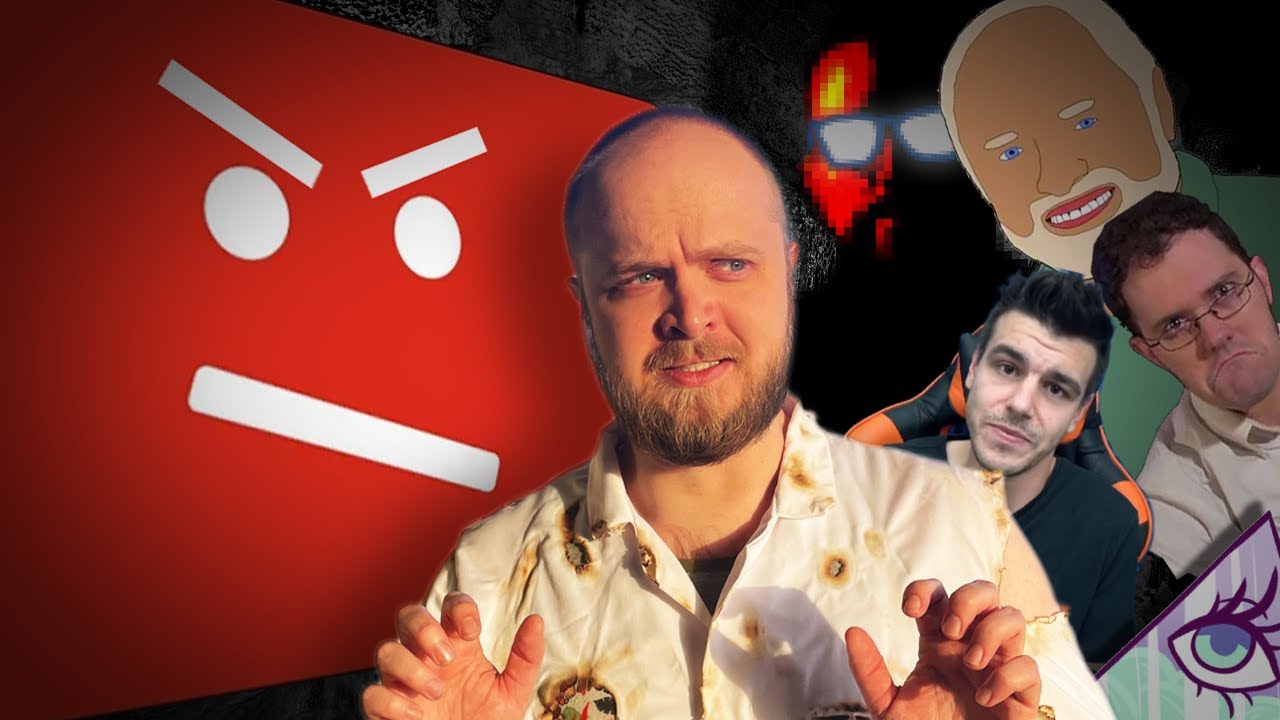
Saved February. Started March, June, October. The ending is still a surprise I'm holding for myself.
The Watcher Is Tired
The Watcher arrives later. She has had a day. She does not want to learn anything. She would like, ideally, to be lightly entertained without having to choose. She opens YouTube and the home page already has a queue prepared for her: a ten-minute cooking video, a fifteen-minute video essay about a Pixar movie she's already seen, a Short of someone making coffee in a cup she'll never own. None of these are saved. None of them needed to be. They were, the entire time, exactly what she was going to watch.
The Saver is humiliated by this. The Saver scrolls past the Watch Later list and feels the weight of the four-hour documentary like an unanswered email. The Saver does not understand that the writer who once felt the same way about Pocket eventually realized her unread queue had become "a library full of stuff you've never read." Not failure. Just a different shape of belonging to it.
The library should contain as much of what you do not know as your financial means allow you to put there. - Umberto Eco, on the antilibrary, via Nassim Taleb in The Black Swan
What Research Says About Why We Save
This is not just internet weirdness. There is a small but useful research literature on why people accumulate digital things they will never use. A 2025 study published through PubMed Central, based on long interviews with thirty-five Generation Z participants in China, found that the saving behavior breaks down along surprisingly tender lines. People save because they want to be ready for a future they haven't decided on yet. People save because deletion feels like loss. People organize their saves into folders that they will, almost always, never open.
The category has a name in book culture: tsundoku, the Japanese word for the practice of buying books and letting them pile up unread. The novelist Umberto Eco kept around fifty thousand books at home, almost all of them unread. When visitors mistook this for an embarrassment, Eco pointed out the obvious - a private library is not an ego appendage but a research tool, and the books you have not read are doing more work than the books you have. Nassim Taleb later coined the term antilibrary for this in The Black Swan. The idea is simple. The shelves of unread books are a record of what you do not yet know. They humble you. They keep you curious. They are, in the most literal sense, a map of your aspiration.
The Antilibrary in Your Browser
The Watch Later playlist, viewed correctly, is exactly this. It is not a to-do list, even though we keep treating it like one and feeling guilty about the part we haven't crossed off. It is a curiosity log. It is a record of every Saturday morning your better self thought she was going to learn about Roman aqueducts, every late night the link a friend sent felt important enough to keep, every time the title of a video matched the title of a person you'd like to be. The Saver knows things about you that the Watcher does not have time to act on. Both are still you.
The MIT Lecture I Will Watch In June (Probably)
The other video I have, in my own list, saved and unwatched for nearly a year, is Patrick Winston's How to Speak. It has been a January tradition at MIT for more than forty years. Winston, who taught at the institute for almost five decades and ran its AI lab through the seventies, eighties, and nineties, gave a sixty-minute lecture every winter about how to deliver a good talk. The video posted by MIT OpenCourseWare is the canonical recording. People in tech share it the way people in literature share The Elements of Style. It is not long. It is not difficult. The Saver added it to the list almost immediately. The Watcher has not yet been in the mood.
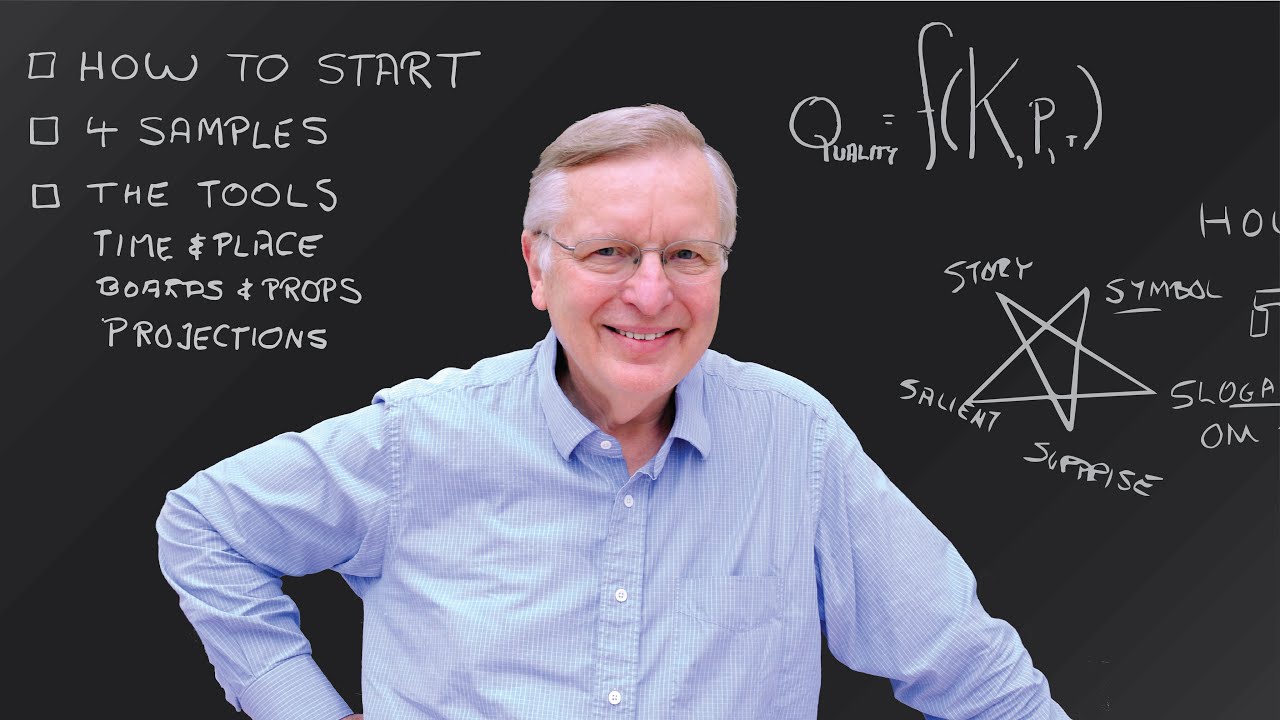
A man who taught at MIT for almost fifty years explaining how to give a sixty-minute talk. Saved by everyone. Watched by some.
Ethan wrote this morning about YouTube finally letting you turn the Shorts feed off, and the part of his piece I keep returning to is the gap between what we say we want from YouTube and what we actually open YouTube to do. It took a six-million-dollar jury verdict for the platform to give us a way to spend less time scrolling. The save button has always been a smaller, quieter version of the same thing. We click save when we want to be the kind of person who watches the four-hour documentary. We click play on whatever's already in front of us when we are the kind of person who has had a long day.
This is not a problem to fix. The Saver and the Watcher are not enemies. They are sharing a life. The list is what one of them does for the other when she has a moment of clarity and wants the future to be slightly better. The watch history is what the other one does, gently and tiredly, to make it through Tuesday.
The list is long. The list is supposed to be long. Most of these videos I will not watch. A few I will. The few I do will arrive on a slow Saturday I have not yet had, in a mood I am not yet in, when I have decided, finally, that today is the day to learn about Roman aqueducts. That day is in the list too. The Saver wrote it in years ago. The Watcher is just waiting to recognize it.
Join the conversation