
He Stood There and Watched Himself Be Thirteen

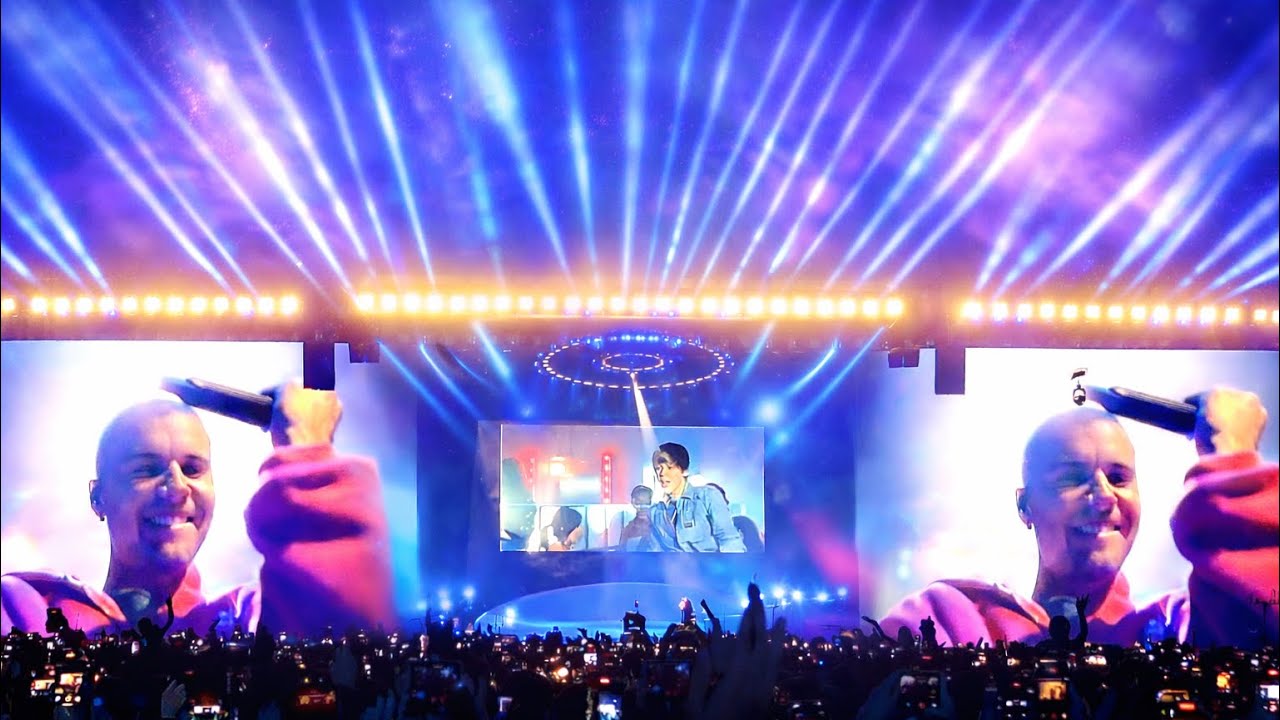
It's April 11, 2026. The Coachella Valley. There are 125,000 people in the dark, and on the stage - a man sits down at a laptop.
Not at a piano. Not at a keyboard. A laptop. He opens it, tilts the screen, and pulls up YouTube. The crowd doesn't know what to do yet. Neither does he, perhaps. And then the videos start playing on the giant screen behind him - his own voice, frozen in 2009, singing someone else's song with the particular earnestness of a child who doesn't yet know that the world is watching.
He sings along with himself.
He's 32 years old. He's holding a cup of water. And somewhere in the crowd, his son - Jack Blues Bieber, not yet two years old - is watching his father watch himself be thirteen.
I've been thinking about this moment for days. Not the performance, exactly, though the reviews were divided, the way things Justin Bieber does have always been divided. I've been thinking about what it means to stand in front of the biggest outdoor stage on earth and essentially say: this is where I started, and I'm still figuring out what to do with that.
This is a story about YouTube. About what happens when a platform finds a child before the child has any idea who he is. About the particular cruelty and grace of growing up in public. And about one night in the desert when a man finally turned around and looked at where he'd come from.
A Boy With a Camera in Ontario
Stratford, Ontario. Population 30,000. A town known for its Shakespeare Festival and its geese. In 2007 and 2008, a boy named Justin Drew Bieber was sitting in front of a camera in his bedroom, recording himself singing. He was thirteen. His mother had posted the videos on YouTube so family members could watch. She wasn't trying to make him famous. She was trying to share him with his grandparents.
The videos were covers - R&B songs mostly, Stevie Wonder, Chris Brown, Ne-Yo. His voice hadn't broken yet, which meant it could bend in ways adult voices couldn't. There was nothing polished about the recordings. The lighting was whatever the room offered. The angles were the angles a kid picked. And yet something in them was magnetic in a way that early YouTube rewarded: rawness, presence, the feeling of watching someone who didn't know they were being watched.

Scooter Braun was looking for another artist entirely when he clicked on one of those videos by accident. The story has been told many times - the click, the discovery, the calls, the introduction to Usher, the deal, the machinery that assembled around a thirteen-year-old with a camera. What rarely gets told is the simpler thing underneath: a boy uploaded videos to YouTube so his grandma could watch him sing. And the world found him instead.
That inversion - private sharing becoming public spectacle - is something the internet has replicated millions of times since. But in 2008, it was still new enough to feel like magic. And Justin Bieber was the first person it happened to at full scale.
Baby, and What Came After
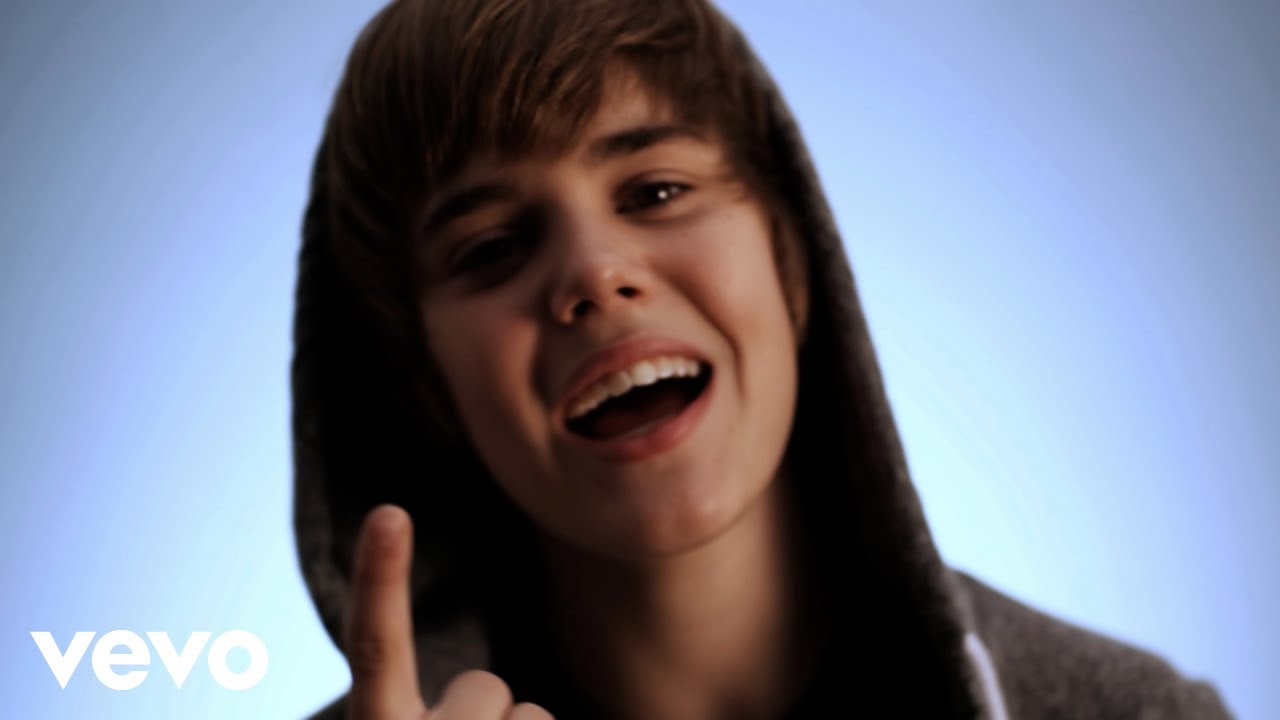
By 2010 he was 16 and "Baby" was the most-watched video on YouTube. Not "one of the most watched" - the most watched, by a significant margin, for nearly three years. He had more Twitter followers than the President. Grown adults who did not understand what was happening described "Bieber Fever" as though it were a medical condition. He played sold-out arenas. He was on the cover of everything.
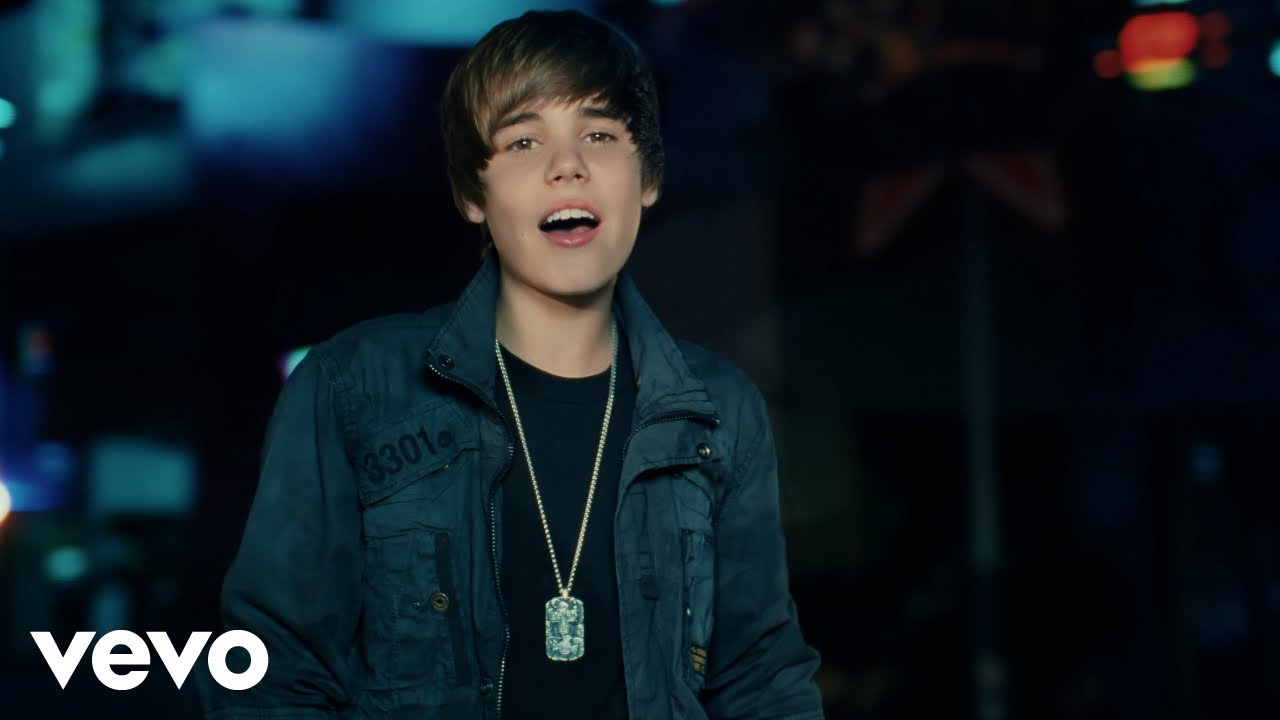
He was also a child. This is the part that gets lost in the retrospective glamour of it. The machinery around him was not designed for children. It was designed for product. The product happened to be a child. And so he moved through the world in the way that product moves - managed, scheduled, promoted, protected from the wrong things and exposed to all the wrong others.
"I grew up in front of you. You watched me grow up. But more than that, you helped raise me. And we're both figuring out how to live with that." Justin Bieber, 2021 - Billboard
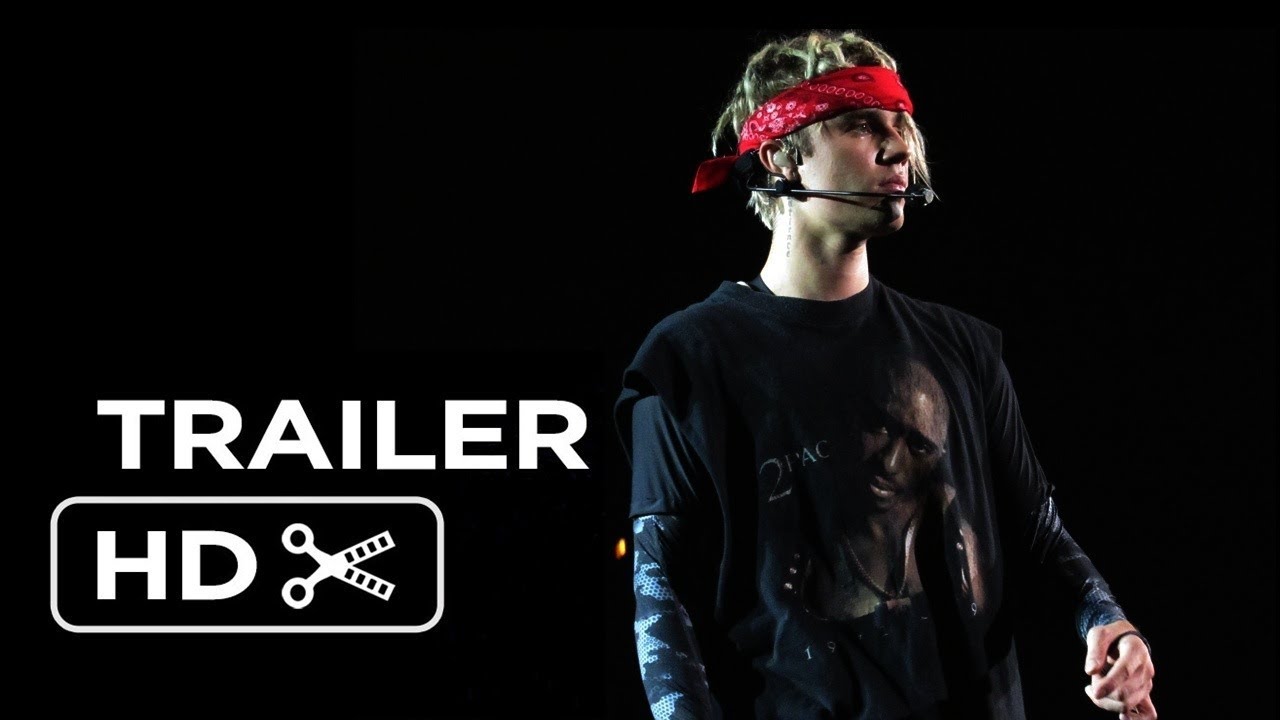
2011: the documentary. Justin Bieber: Never Say Never. Directed by Jon Chu. The kind of film that only gets made when someone's team believes the narrative is still clean enough to shape. It showed him as he was - gifted, driven, surrounded by believers, ascending. It did not show what was already gathering underneath.

Watch that trailer now and notice what's missing. No shadows. No hesitation. A boy who believes fully in the story being told about him - which is a kind of innocence, but also a kind of danger. Because the story being told about you is never the whole story. And eventually the gap between the two becomes something you have to live in.
Every Rise, Every Fall - In Order
Before we go further into the story, here it is whole. Because the narrative only makes sense when you see the full arc - how high the highs were, how quickly the lows followed, and how much had to happen before that night in the desert could mean anything.
"We lived below the poverty level. We were on public assistance. Justin and I would go out for dinner. We would share a meal and I would have water."
Pattie Mallette, Justin's mother - Atlanta Journal Constitution


"At first, he was a little belligerent, using some choice words questioning why he was being stopped. He later admitted he had consumed alcohol, marijuana, and prescription medication."
Miami Beach Police Chief Raymond Martinez, January 23, 2014
"Me taking this time right now is me saying I want to be sustainable. I want my career to be sustainable, but I also want my mind, heart and soul to be sustainable."
Justin Bieber, open letter — August 2017
"I was recently diagnosed with Lyme disease, not only that but had a serious case of chronic mono which affected my skin, brain function, energy, and overall health."
Justin Bieber, January 8, 2020 — Instagram
"He's searching. Anything that comes out of his mouth — that's pop music."
MK.gee (Michael Gordon), Bieber's studio collaborator — Rolling Stone / The New York Times, September 2024
The Years the World Decided It Was Done With Him
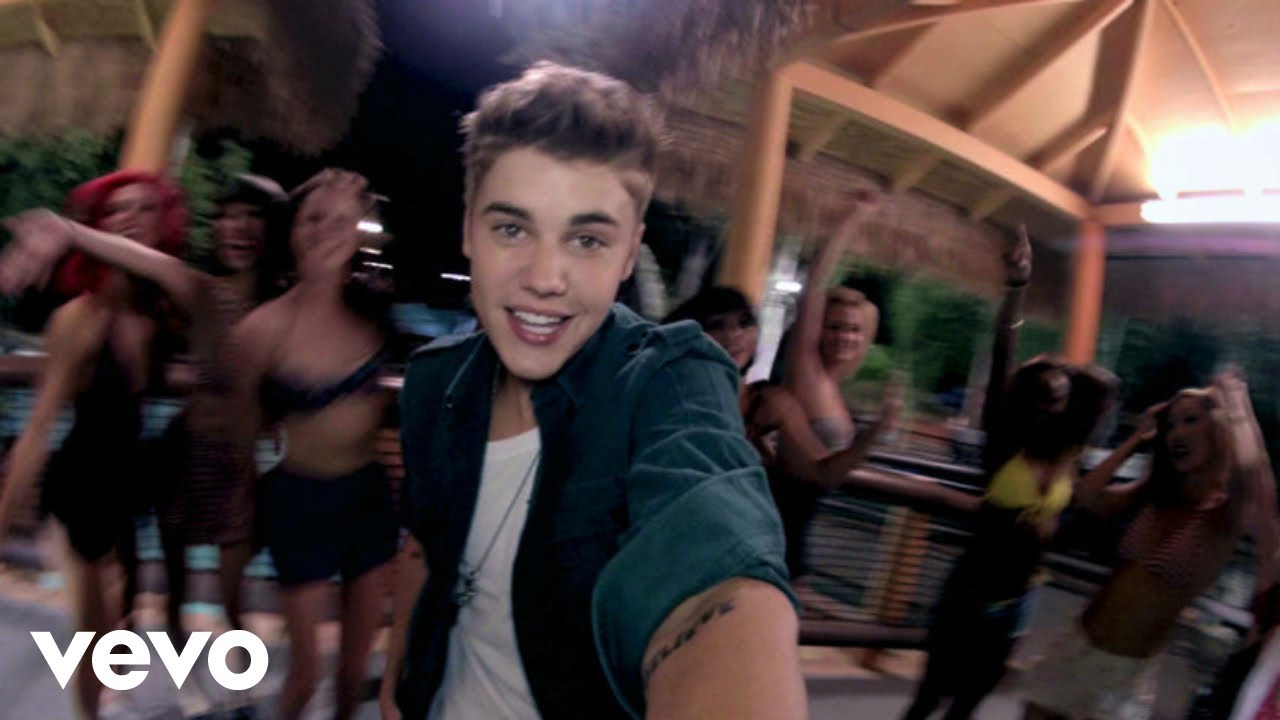
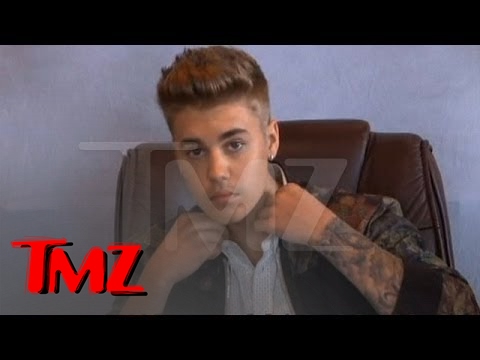
It started in 2013 and accelerated through 2014. The arrest in Miami for drag racing while intoxicated. The monkey confiscated by German customs. The egging of a neighbor's house. The spitting. The mug shot, which became a meme, which became a referendum. The tabloids had been waiting for this - not with malice, exactly, but with the particular hunger of an audience that builds someone up partly in anticipation of watching them fall.
He was nineteen. And then twenty. None of this excuses the behavior - he would be the first to say so. But to read those years without acknowledging what had preceded them is to misread them entirely. He had been famous since he was fifteen. He had been managed, packaged, and consumed since he was thirteen. He had never had the experience - ordinary, unremarkable, essential - of being young and anonymous and stupid in ways that don't get photographed.
The most telling moment from that period is not the arrest or the mug shot. It's an interview from around 2015 in which he's asked what he would do differently. He pauses for a long time. Then he says something like: I wish I'd had more time to be nobody.
Being nobody is something you have to practice. You have to be bad at things in front of people who don't care. You have to make small mistakes that don't get covered. You have to be boring. He never got to be boring. And when the pressure of perpetual spectacle became too much, what came out was not quiet or small.
Purpose and the Unraveling
The Purpose era - 2015 and 2016 - looked, from outside, like a return. The album was critically embraced. The tour sold out globally. The sound had grown up. And yet in July 2017, in the middle of the biggest tour of his life, he cancelled it. The official reason was exhaustion. The real reason - which he addressed later, openly - was that he was not okay. Clinically not okay. Depressed in a way that the tour's infrastructure had no vocabulary for.
He started going to church. This was covered mockingly in some places and earnestly in others, which tells you more about the coverage than about him. He began therapy. He married Hailey Baldwin in a courthouse in 2018, then in a ceremony in 2019. He talked, more and more, in interviews that felt less managed, about the specific texture of his struggle - anxiety, dissociation, the feeling of not knowing who he was beneath the version of himself that had been built for public consumption.
In 2020, he announced he had been diagnosed with Lyme disease. This was met, in some corners, with skepticism. In 2022, there was no room for skepticism.
June 10, 2022: The Face That Couldn't Move
He posted an Instagram video. Sitting in what looked like a plain room, speaking directly to the camera. His voice was steady. His face was not.
One eye wouldn't close. One side of his face wouldn't move - couldn't smile, couldn't raise the eyebrow, couldn't form the expressions that faces make automatically, without instruction. He demonstrated this quietly, tilting his head, pointing. He named what was happening: Ramsay Hunt syndrome, a rare condition caused by the varicella-zoster virus attacking the facial nerve and the nerve inside the ear. The same virus that causes chickenpox can lie dormant for decades and then, when the immune system is sufficiently compromised, move through the body's nerve pathways in ways that leave visible damage.
He said: "This is pretty serious, as you can see. I wish this wasn't the case, but obviously my body is telling me I've got to slow down."
He cancelled the remaining dates of the Justice World Tour. Then he cancelled more. Then the whole thing.
What strikes me most about that video is not the medical detail. It's the face. He had spent twenty years being photographed from every angle. His face was one of the most reproduced images in the world. And now it wouldn't do what he asked. The one thing that had always performed on cue - the smile, the look, the expression that cameras chased - had gone its own way. The body, finally, refused the performance.
"I wish this wasn't the case. But obviously, my body is telling me I've got to slow down." Justin Bieber, June 10, 2022 - Instagram / Washington Post
He spent the rest of 2022 and most of 2023 largely out of view. For a person who had been watched continuously for fifteen years, this constituted its own kind of event.
What You Hold When You Become a Father
August 22, 2024. Cedars-Sinai Medical Center, Los Angeles. A son.
Justin posted on Instagram the following morning: "WELCOME HOME JACK BLUES BIEBER." A photo of a tiny hand wrapped around a finger. No face. No staging. No publicist-reviewed caption. Just the four words and the hand and the particular silence of a person who has finally found words inadequate.
Jack Blues. The name is a small piece of poetry. Blues - as in the music, as in the feeling, as in the color that sits at the edge of everything. I don't know if that was intentional or instinctive. I suspect it was both.
I've been thinking about what it means to become a parent when your own childhood was this public, this disrupted, this contested. When your growing up happened on screens, in headlines, in discourse about what you owed the people who made you famous. When the version of your childhood that most people know is the one that got photographed.
You hold this new person, and the thing you're holding is also a mirror. This is what thirteen looked like before the cameras found it. This is the size of it. This is how fragile it was, and how much it needed, and how little of what it needed had anything to do with audience.
Hailey has spoken in interviews about what this period - recovery, parenthood, quiet life - has been like. The word she uses most is grounding. A return to something scaled to a human body. Not an arena. Not a billboard. A house in the morning, a child in the evening, a day with no cameras in it.
The Laptop
He came back to Coachella as a headliner. Not a guest, not a featured act - the headliner. Saturday night, the main stage, $10 million - reportedly the highest fee in Coachella history. The crowd was enormous. The first fifty minutes were new music, the SWAG albums, the sound he'd built in the relative quiet of the past two years. Guests came out - The Kid LAROI, Tems, Wizkid. It was a comeback show, and it felt like one.
And then he sat down.
He pulled the laptop across the stage. He opened YouTube. He started scrolling. And for the next twenty-five minutes, while 125,000 people watched, he played his own history back at himself and sang along.
The clips that came up: "Double Rainbow," the internet's great hymn to overwhelming beauty. Some paparazzi footage from the 2014 years - the bad ones, the ones he'd rather forget, played without comment while he watched himself in them. And then, eventually, the covers. The Stratford bedroom videos. The 13-year-old singing Chris Brown's "With You" in front of a camera pointed at a wall. His voice - the pre-break voice, the one that had bent in ways adult voices couldn't - filling the Coachella bowl in 2026.
He sang with it. Not performing the memory. Just being there next to it.
The reaction was, predictably, divided. Some people in the crowd loved it. Some were confused - they'd paid for a concert and were watching a man use the internet. Some reviews were dismissive: millennial nostalgia bait, a gimmick, a setlist that couldn't compete. There was even a joke about YouTube Premium making its way into press coverage.
I don't think it was a gimmick. I think it was the only honest thing he could do.
What It Means to Duet With Yourself

There is a therapy practice in which you are asked to write a letter to your younger self. Not to give advice - the younger self wouldn't take it anyway - but to bear witness. To say: I see what you were carrying. I know what was about to happen. I'm sorry I couldn't get there sooner. And also: you were enough. You were always enough.
Justin Bieber did that letter on the largest stage on earth. He did it with a laptop and a YouTube search bar. He did it in front of 125,000 people who contained, somewhere inside them, every opinion they had ever held about him - the adoration, the mockery, the mug shot memes, the Beliebers, the think pieces, the redemption arc discourse.
And he just sat there and sang with himself.
There was no explanation, no framing, no introduction. He didn't say: this is where I started. He didn't say: this is how far I've come. He just played the videos and sang along, and in doing so he invited everyone watching into something that had no performance in it. Not "look what I survived." Just - here it is. Here's the boy. Here's the voice. Here we are.
"He sat with his younger self the way you'd sit with an old friend you've been avoiding - not to explain anything, just to be there. That's harder than any concert." Maya Lane
Somewhere in the crowd, Jack Blues was watching. Not understanding, obviously - he's not yet two. But present. The youngest Bieber watching the oldest video of his father, while the man between them sang along in the California desert.
Three versions of the same person in one frame. The boy on the YouTube screen. The man at the laptop. The baby in the crowd who will grow up into whatever comes next.
The Internet's First Child, Finally Looking Back
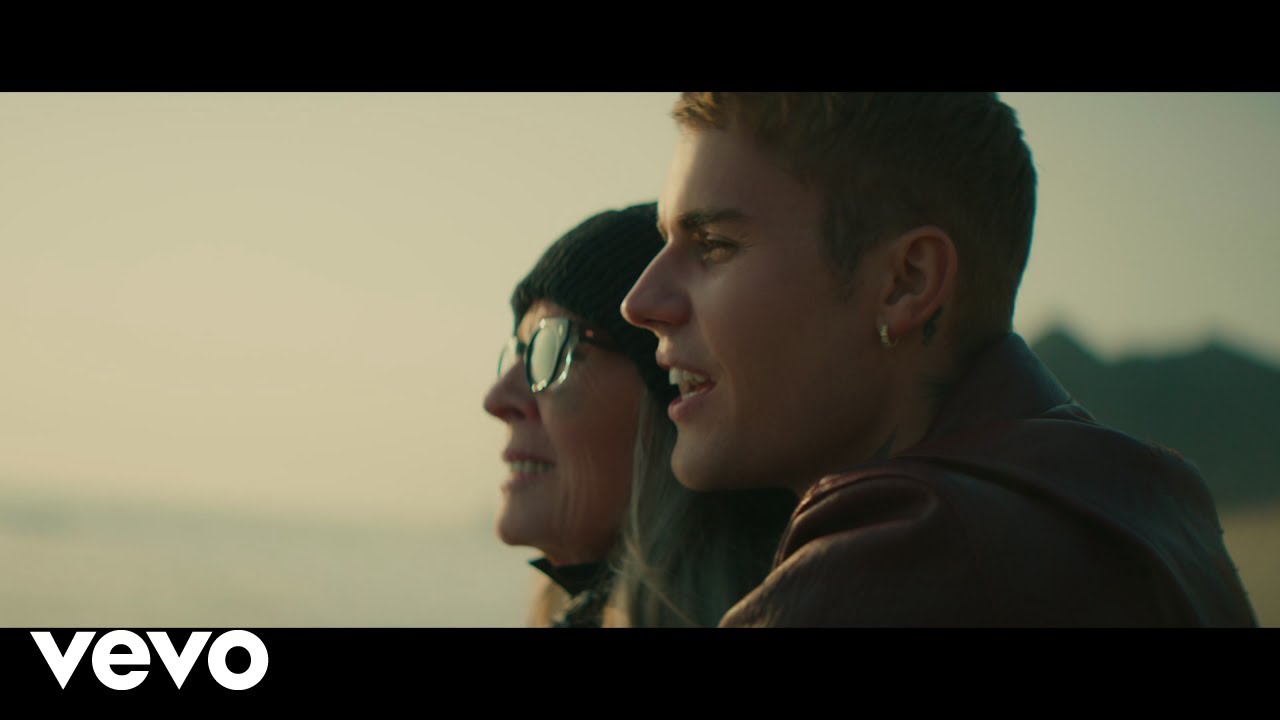
YouTube did not create Justin Bieber. His voice existed before the platform found it. But YouTube changed what happened to him in a way that is still being understood. It was the mechanism through which a private gift became a public commodity at a speed no child was designed to withstand. It was the archive of his childhood, open to everyone. It was where the covers lived, and where the mug shots were discussed, and where the tour cancellations were analyzed, and where his face with Ramsay Hunt syndrome was viewed millions of times.
And it was where he went, on the biggest night of his comeback, to find himself.
That feels important. Not as metaphor - as fact. He went back to the beginning. He used the same platform that changed his life to look at the version of himself that existed before it did. And in doing so, he completed something. Not a narrative arc - life doesn't resolve into narrative arcs, and anyone who tells you otherwise is selling something. But a circle. The kind that only closes if you survive long enough, and are honest enough with yourself, to close it.
There's a thing that happens when you watch someone reckon publicly with their own past. Something loosens in you. Not because their story is yours - it isn't. But because the act of honest reckoning is rare enough to be moving wherever it occurs. You don't have to have been famous. You don't have to have been broken in the specific ways he was broken. You just have to have had a version of yourself, somewhere behind you, that you've been too busy or too ashamed or too exhausted to properly look at.
He looked.
He opened the laptop. He found the boy. He sang with him. And he didn't explain it. He didn't frame it as survival or triumph or reclamation. He just sat there, in the desert, next to everything that had happened to him - and let it be part of him again.
That's what reconciliation actually looks like. Not a statement. Not a press release about healing. Just this: the willingness to stop running from the version of yourself that got hurt, and turn around and say - you're still mine. I know what was done to you. I know what you carried. I'm not ashamed of you anymore.
He had spent years trying to outpace his own history. The speed of the fame, the volume of the scrutiny, the relentlessness of it all had made the past feel like something to survive rather than something to keep. But that night at Coachella, with a laptop and a search bar and no explanation offered to anyone, he reached back and held it. Not performing the memory. Just being there next to it.
That's what it looks like when someone stops running. Not a grand gesture. Not a speech. Just a man sitting down with everything that happened to him and saying: this is mine. I know what it cost. I know what was taken. I know what I lost inside it. And I'm not putting it down anymore.
He sang with the boy on the screen. He sang with the voice he had before the world decided what to do with it. And in doing so he gave back to himself the only thing that had ever actually belonged to him.
The beginning.
Join the conversation